
- This event has passed.
Radical Care: Nurturing Self, Community, and Democracy featuring Melissa Harris-Perry
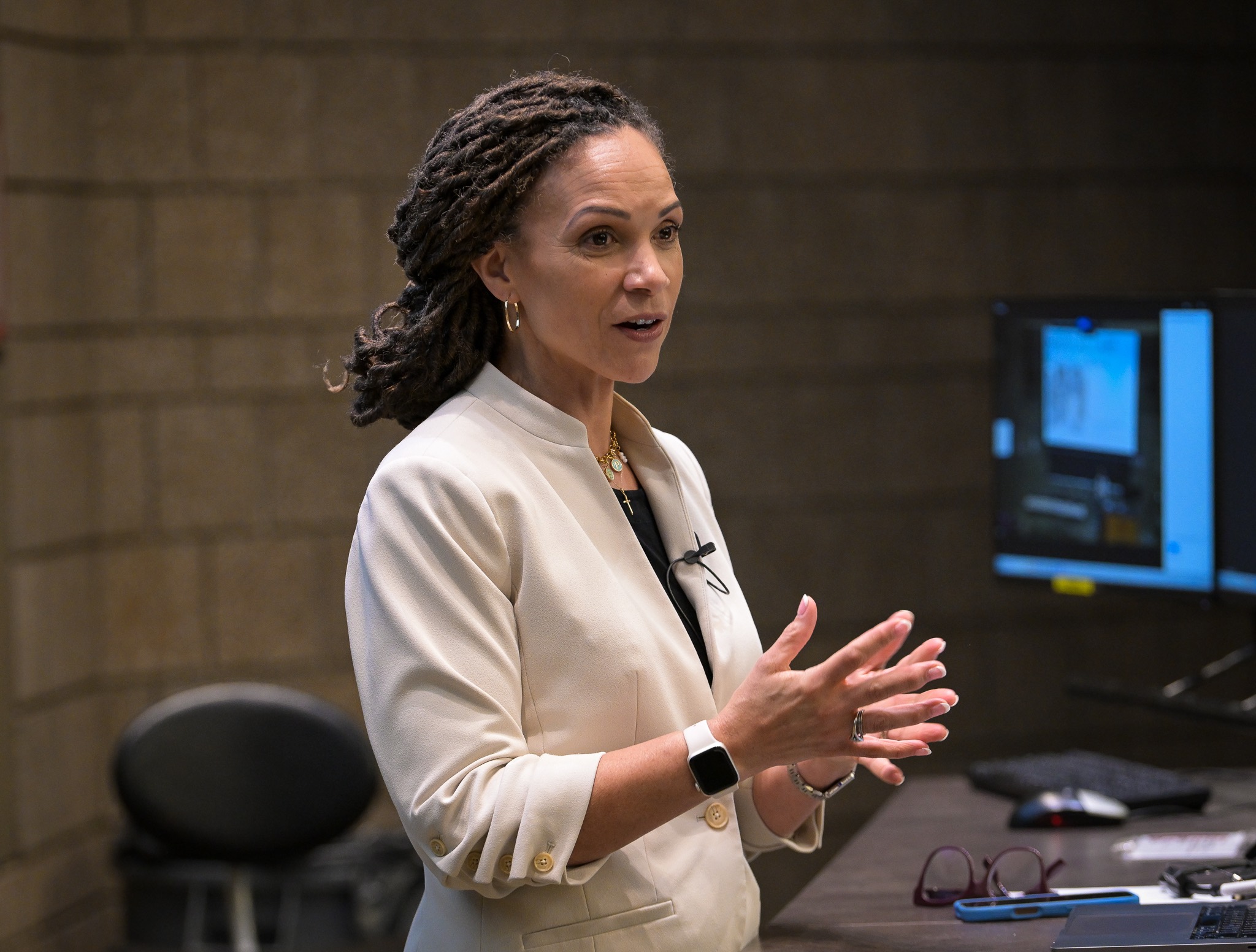
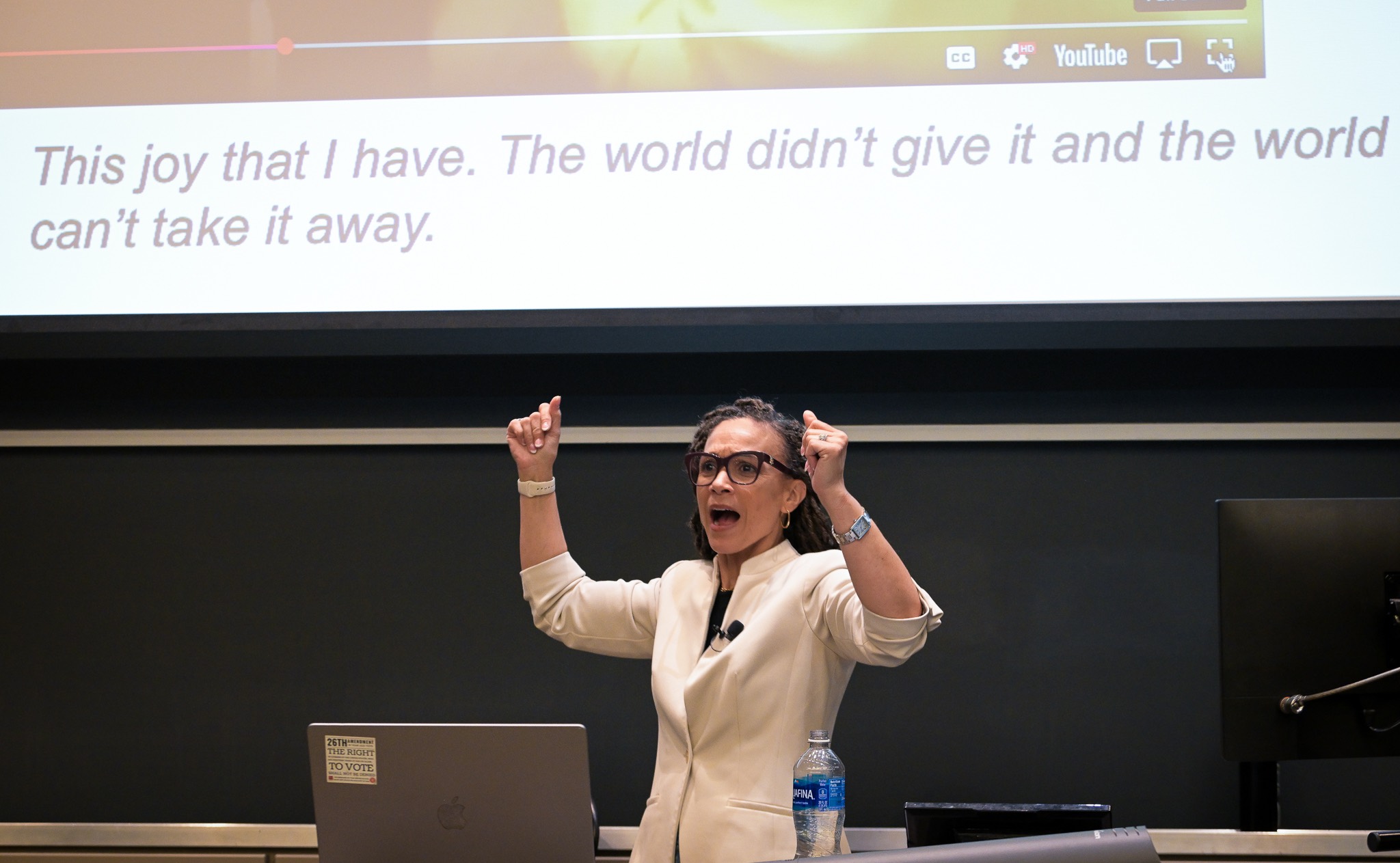
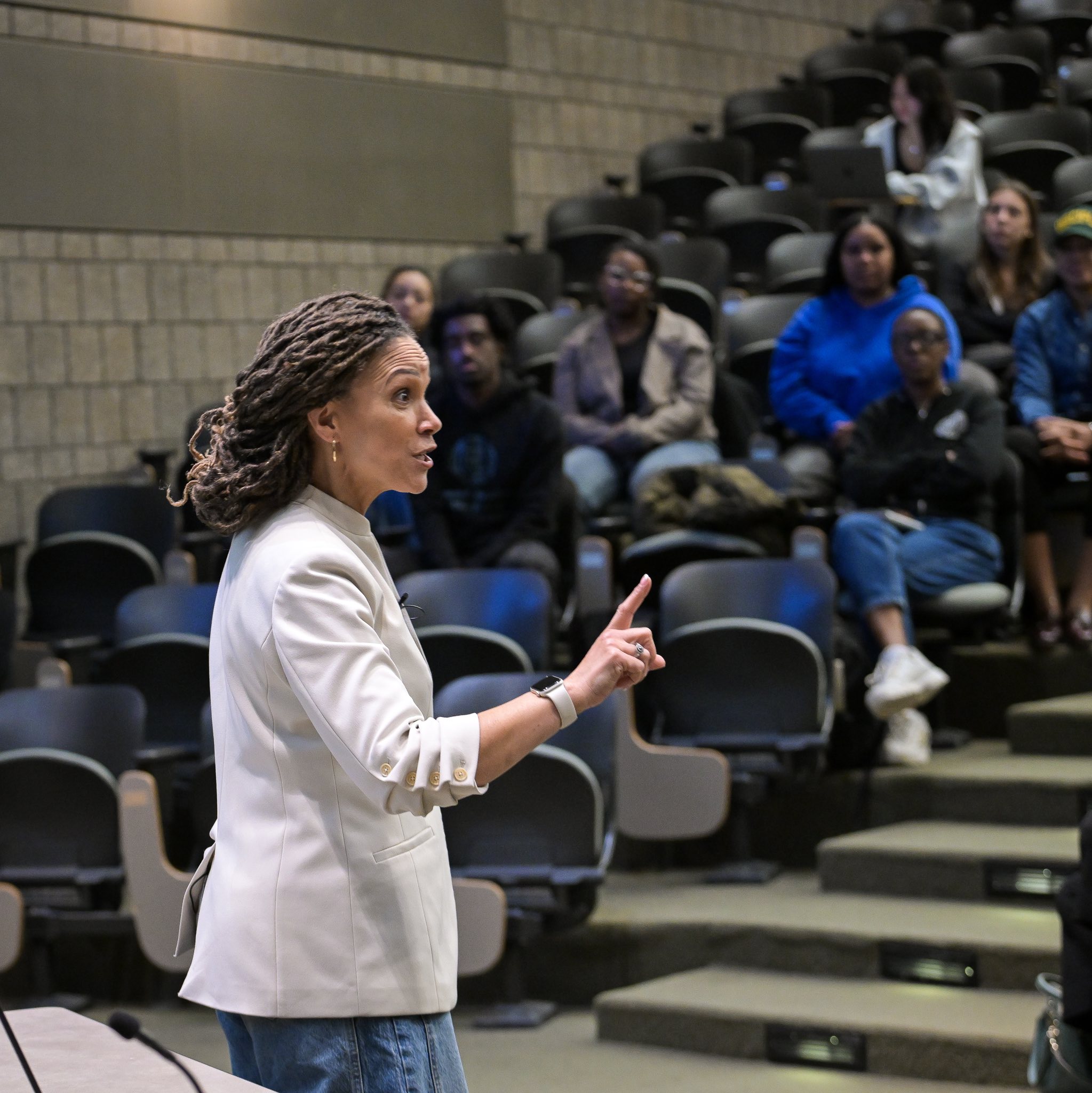
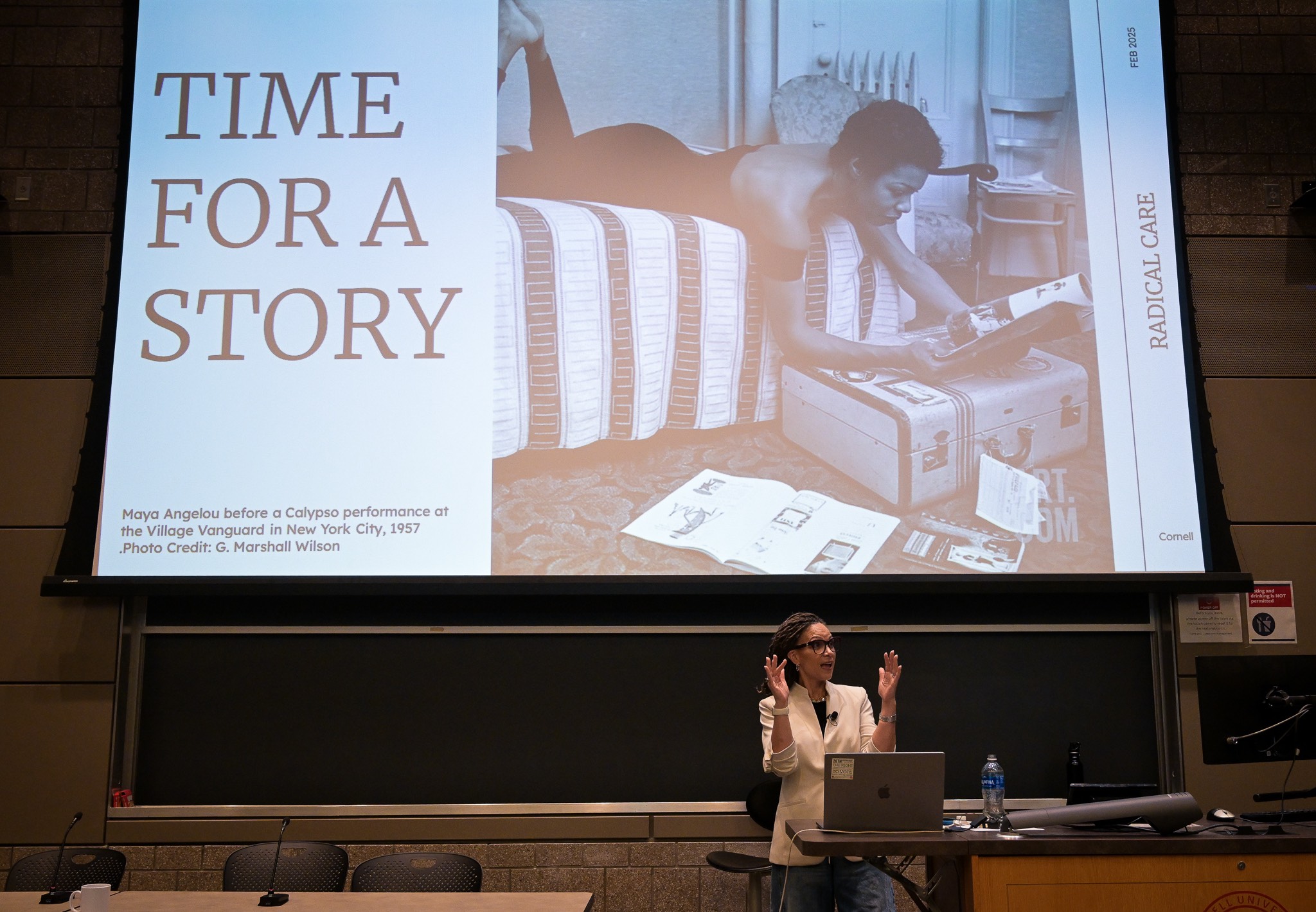
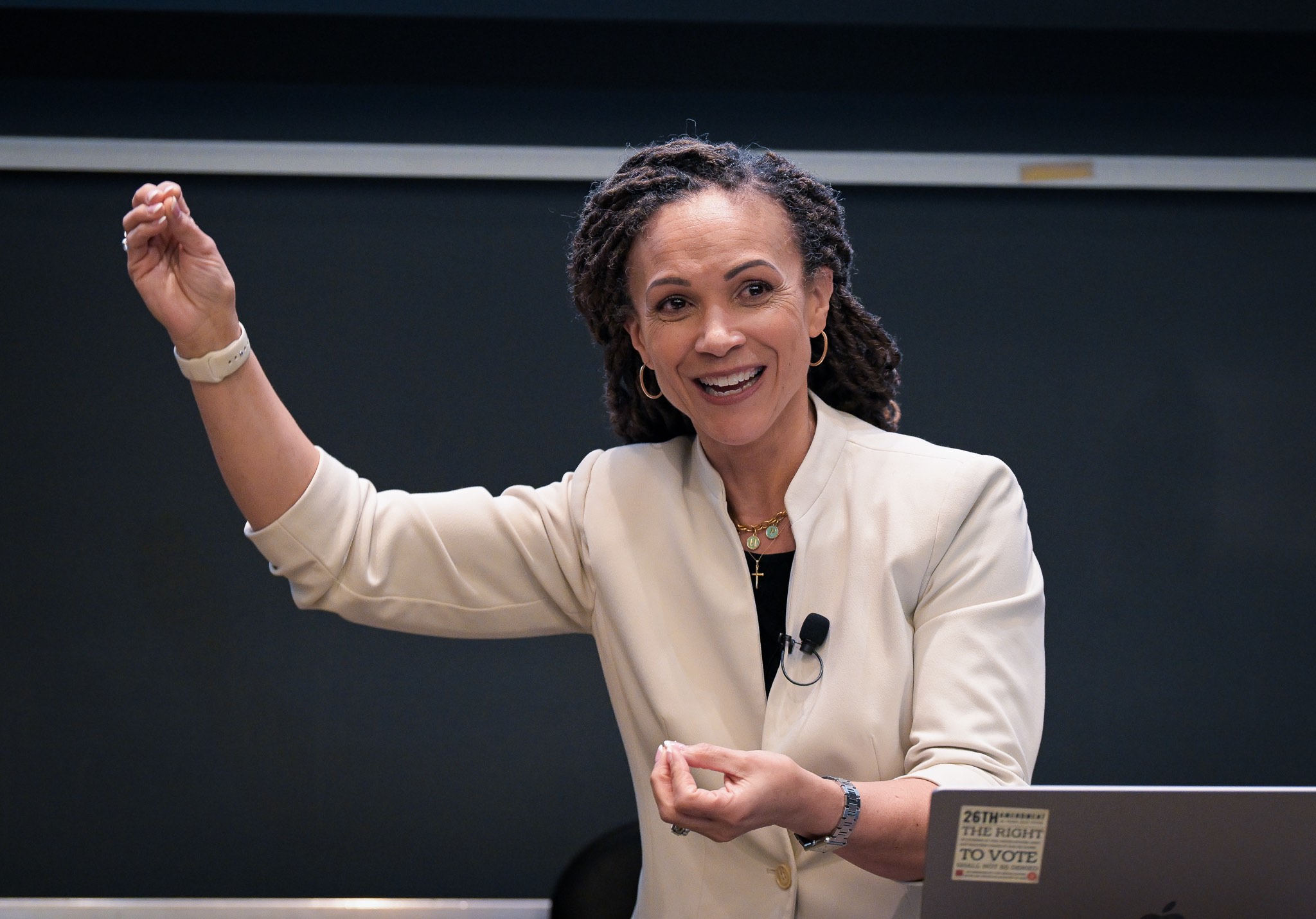
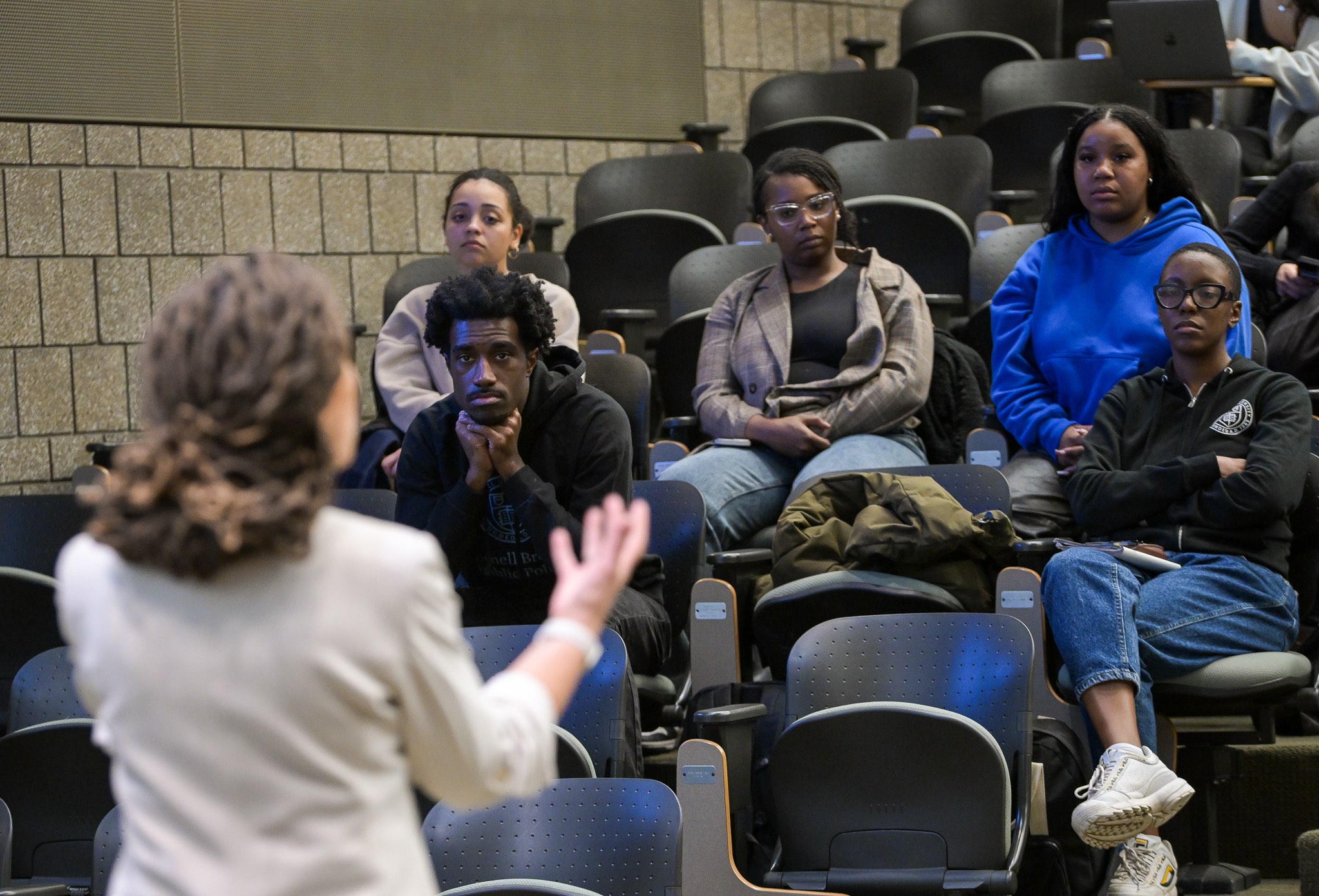
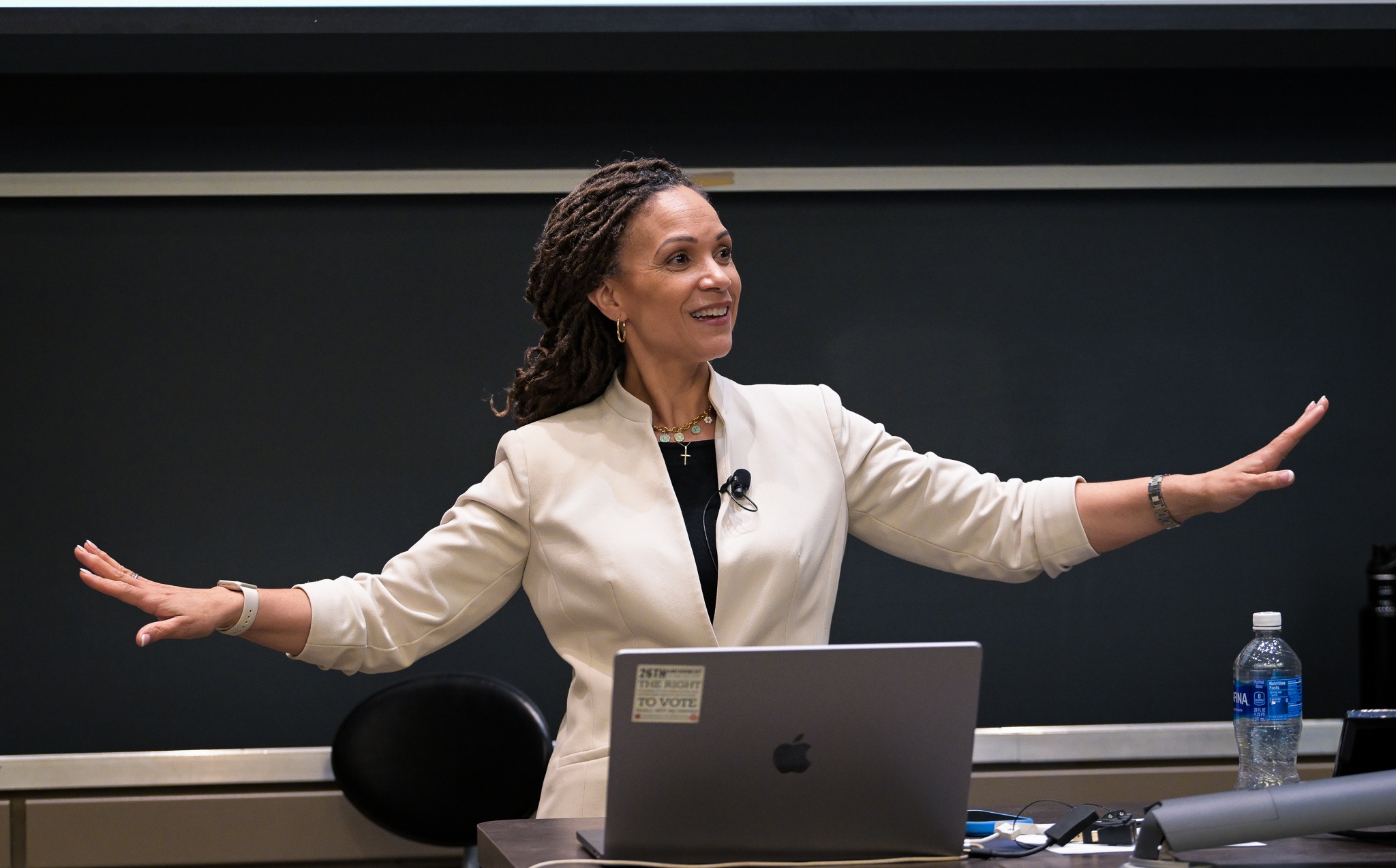
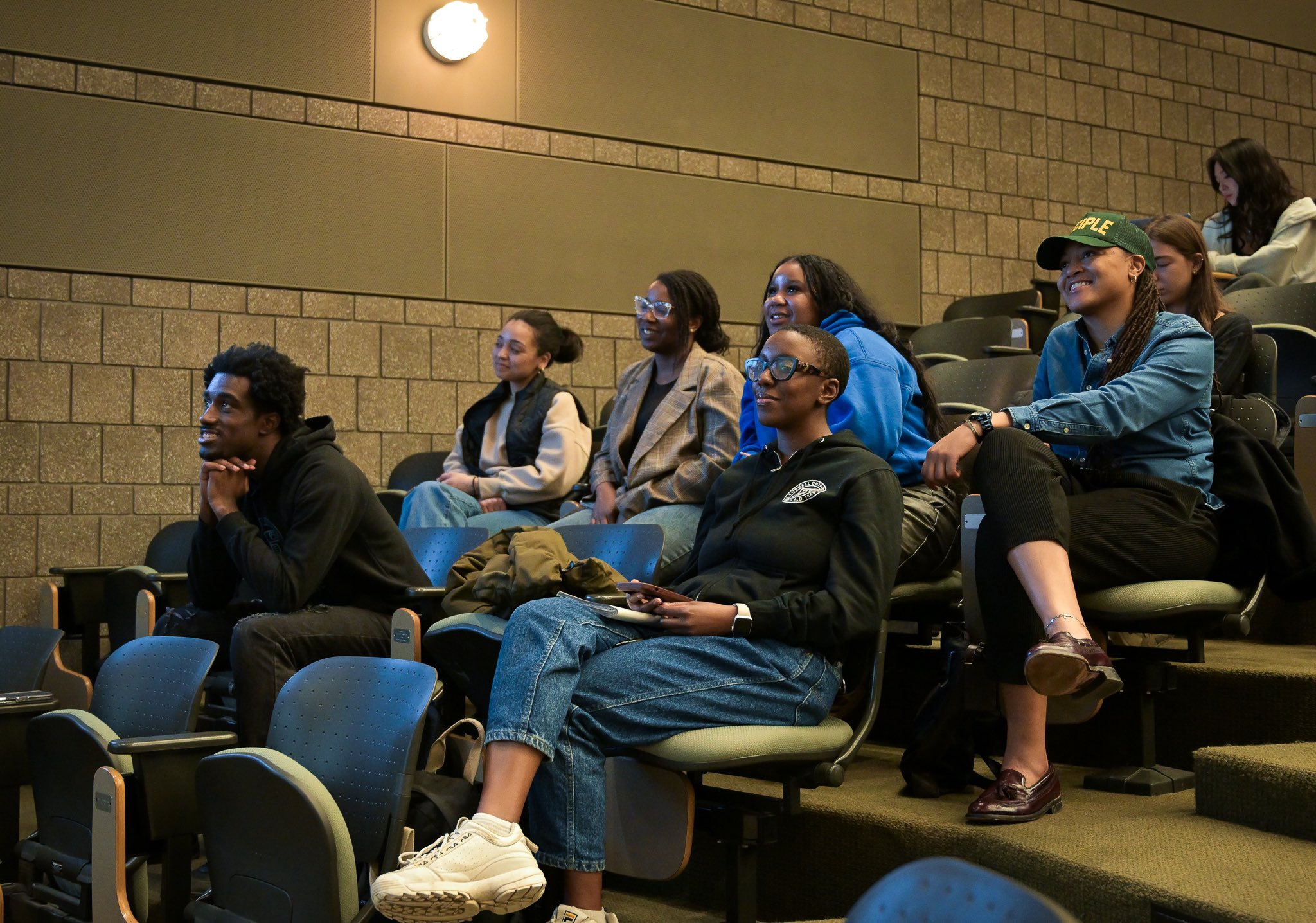
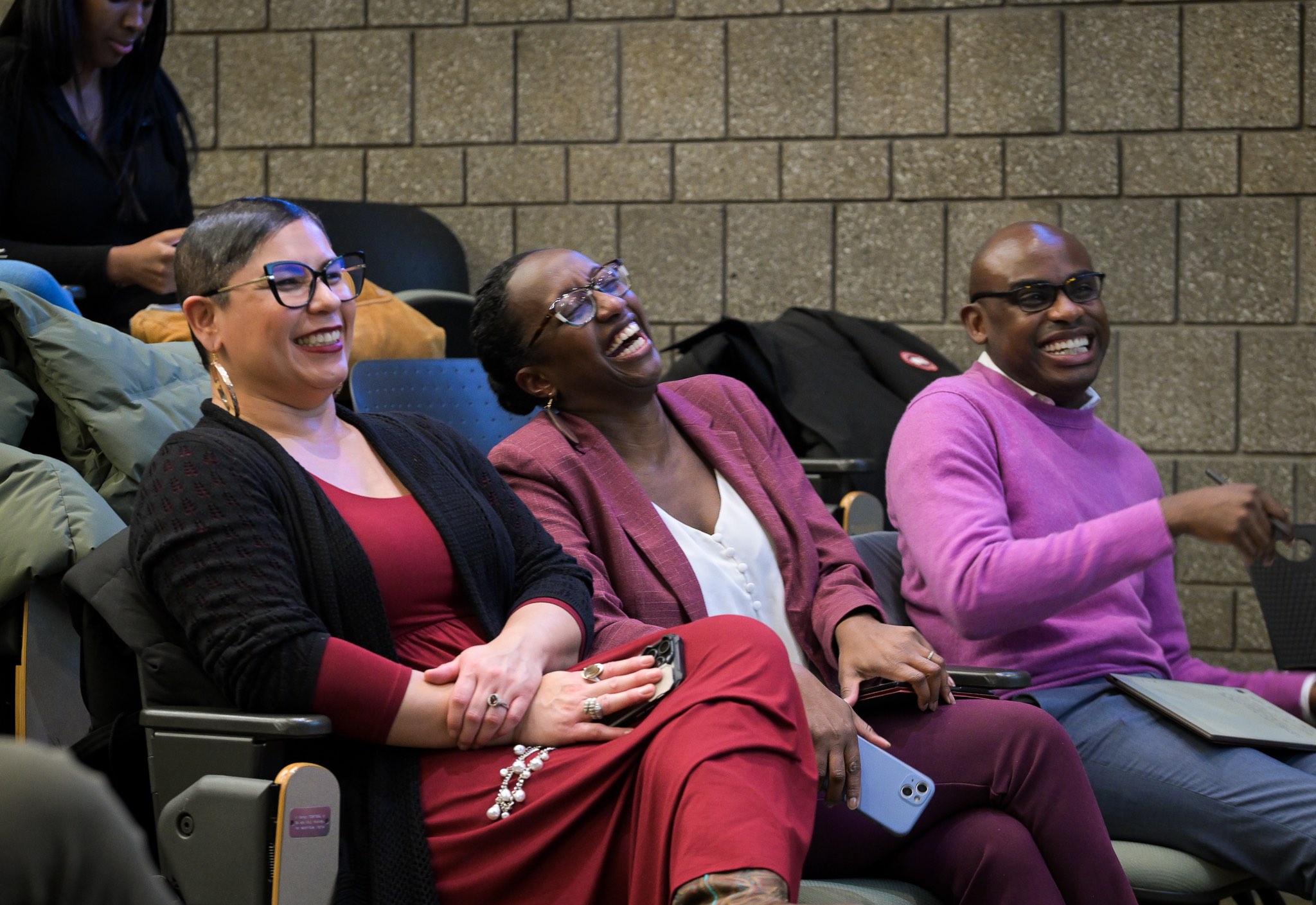
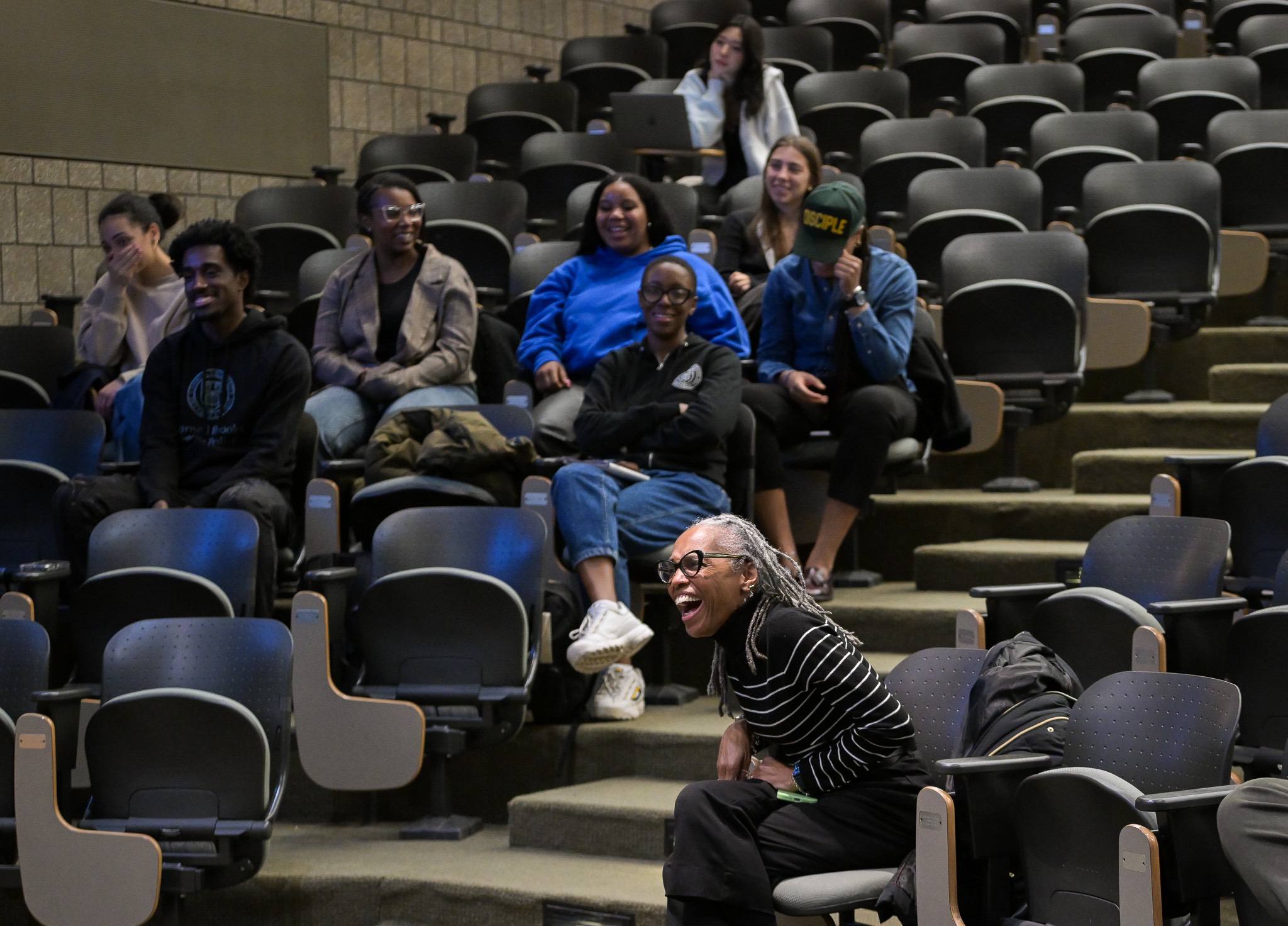
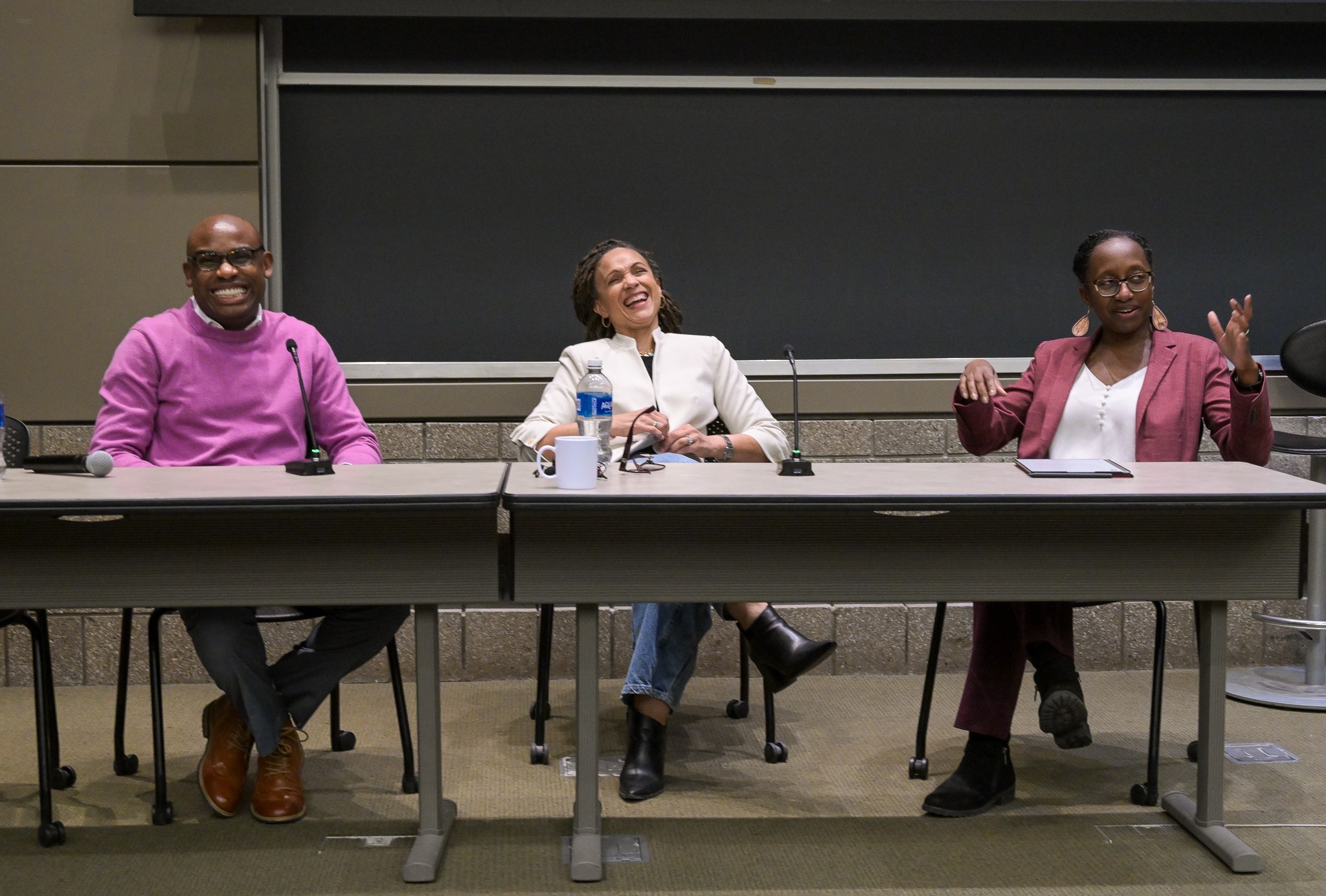
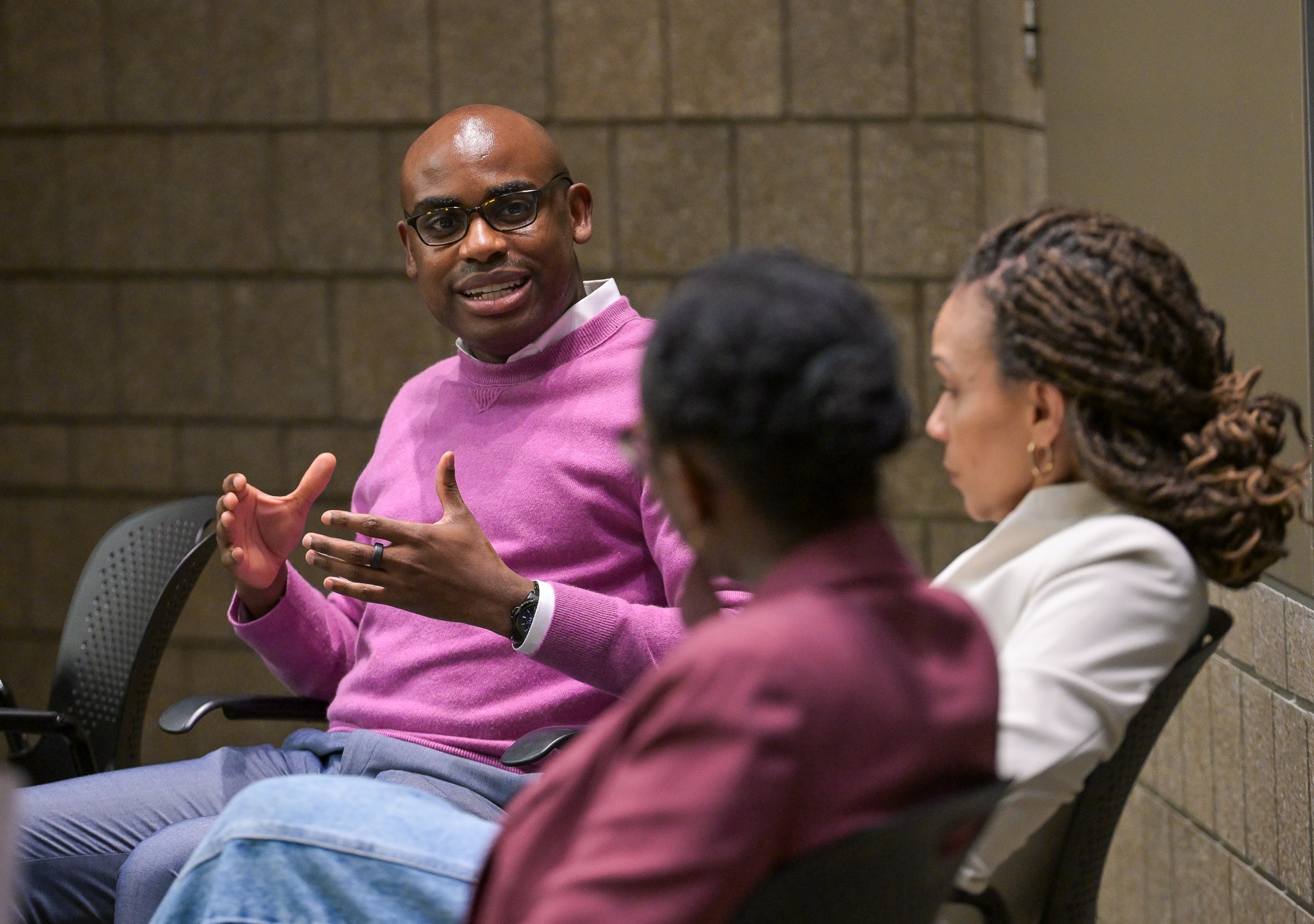
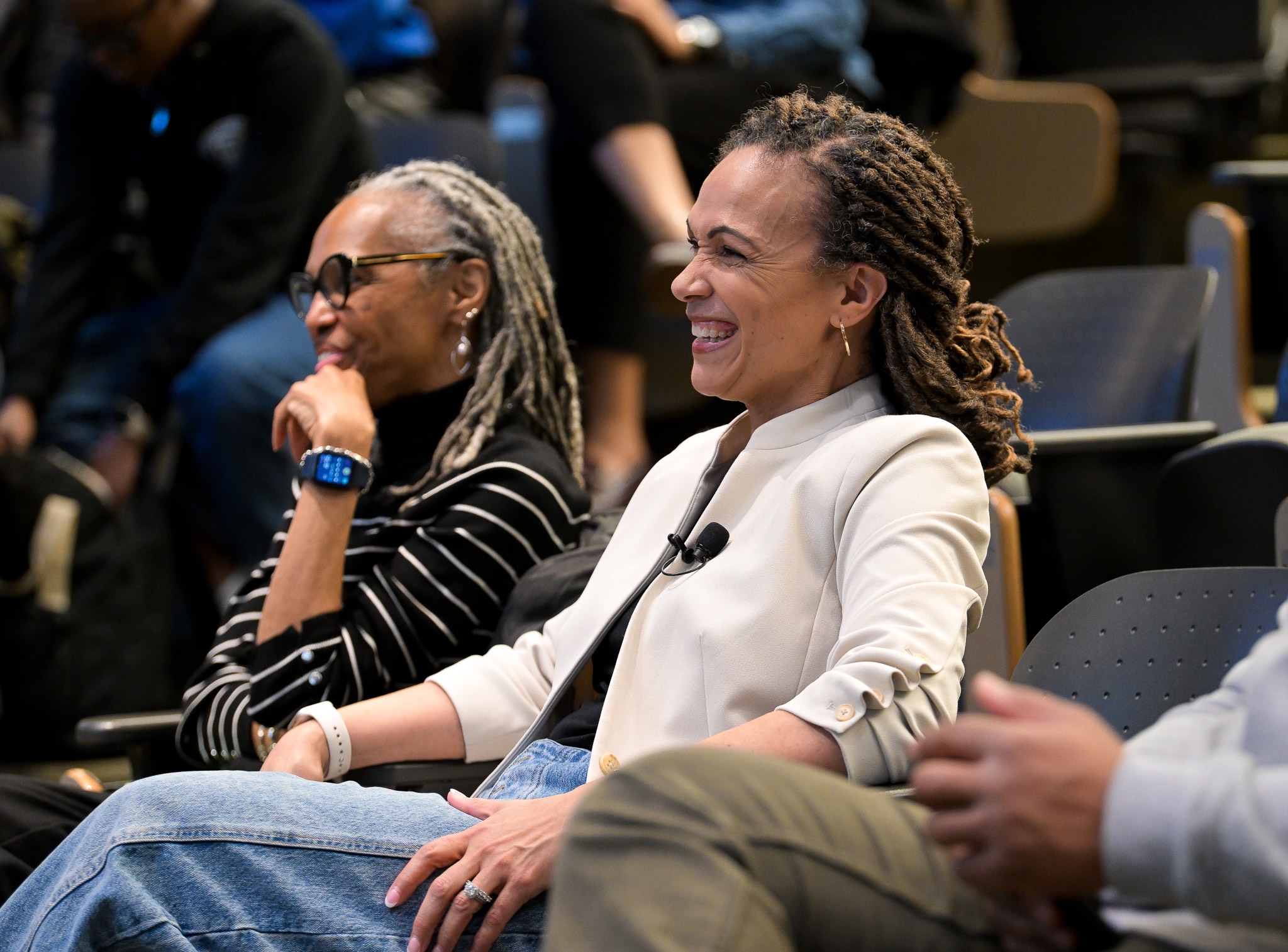
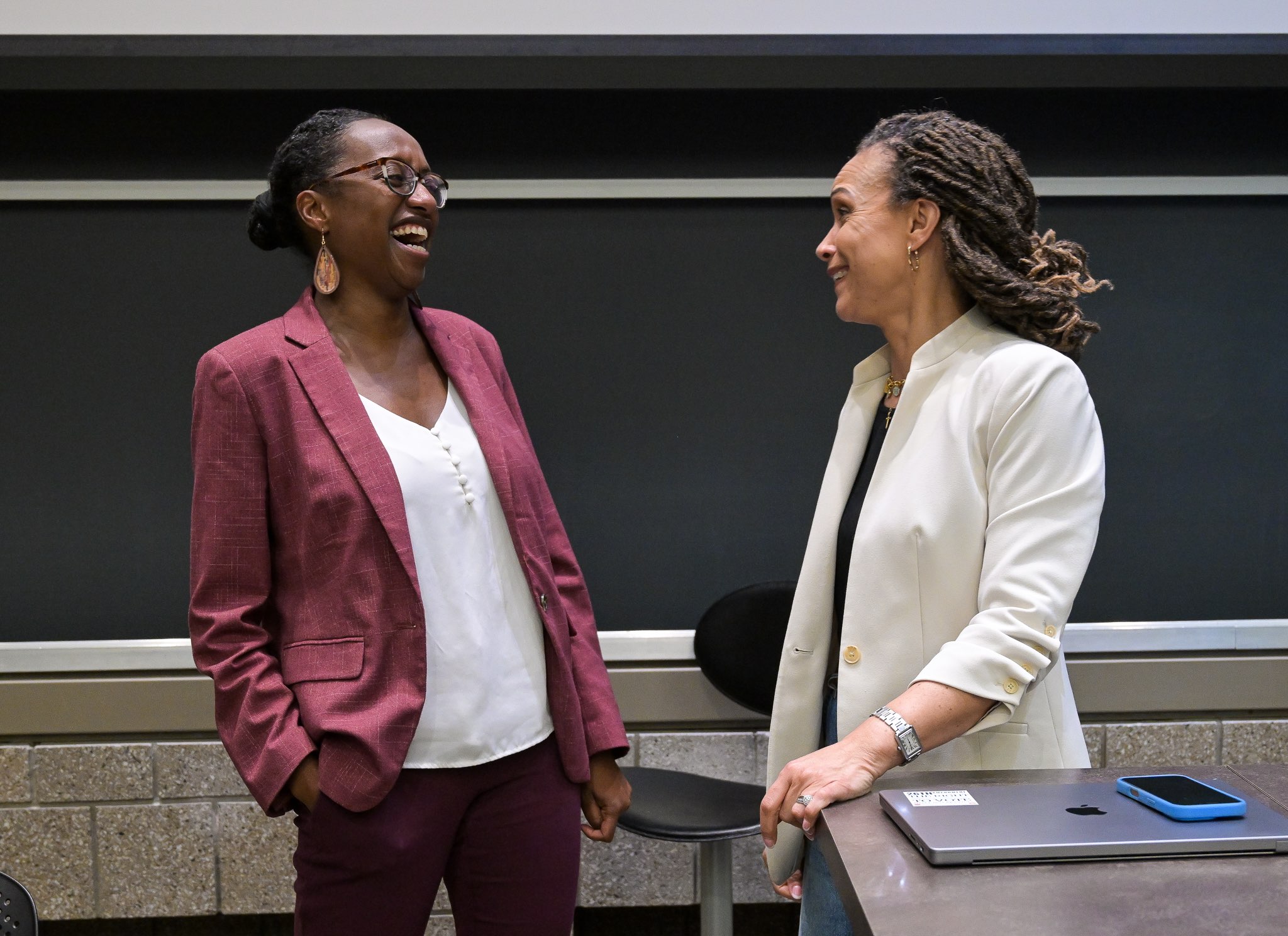
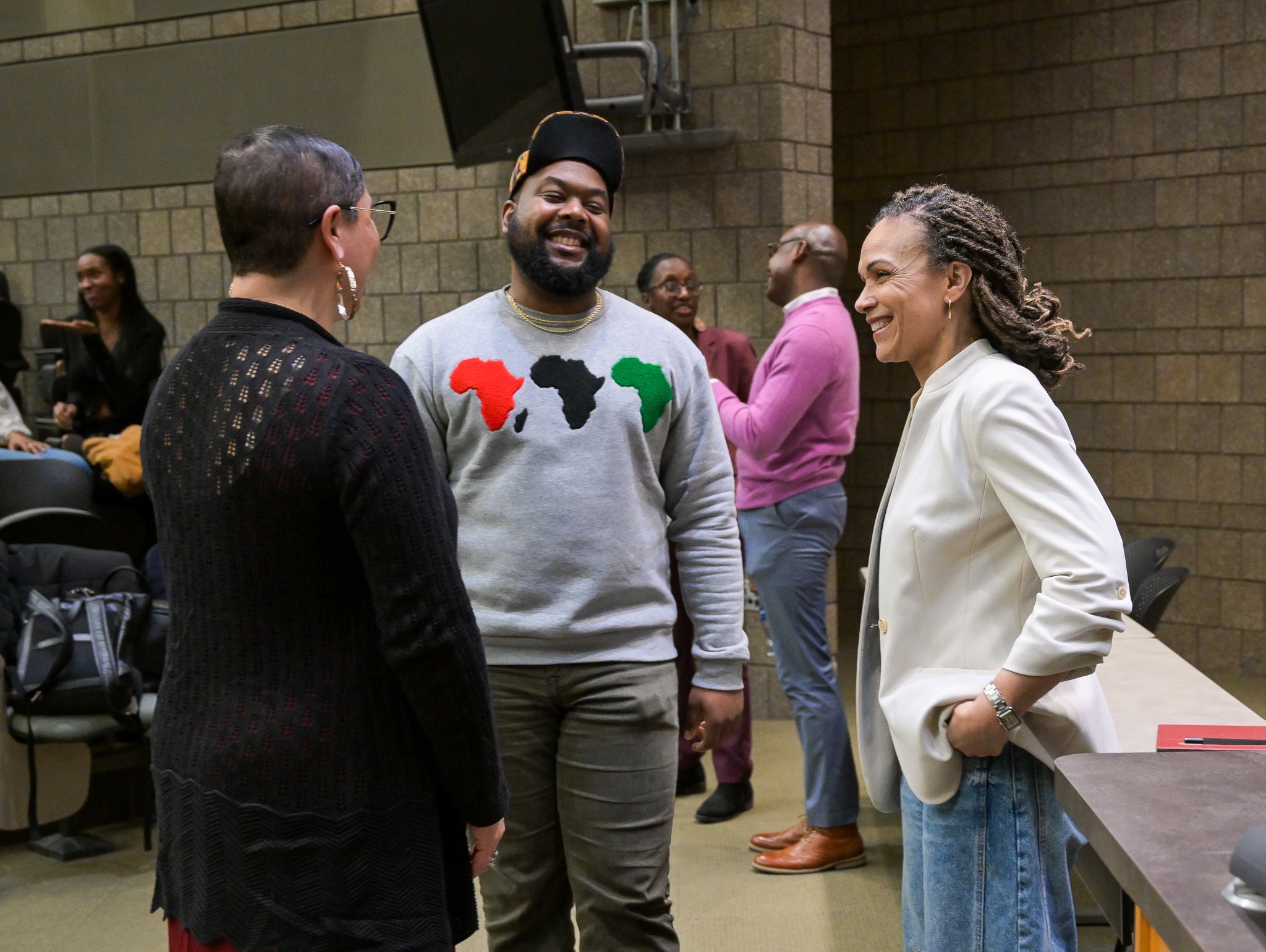
“Caring for myself is not self-indulgence, it is self-preservation,” wrote Audre Lorde in 1988. Drawing inspiration from the Black radical tradition and models of restorative justice, writer and journalist Melissa Harris Perry explored the history and applications of collective care in her lecture Radical Care: Nurturing Self, Community, and Democracy on Wednesday, February 27, 2025.
“We asked our first cohort of Racial Justice Student Fellows to develop a theme for Black History Month, and they worked together to come up with the excellent idea of focusing on care, and exploring it through the lens of seminal thinkers like Audre Lorde and Ella Baker,” said Jamila Michener, director of the Center for Racial Justice and Equitable Futures and associate professor of government in the College of Arts and Sciences (A&S) and public policy in the Jeb E. Brooks School of Public Policy.
Harris-Perry is the Maya Angelou Presidential Chair at Wake Forest University. She is the founder and president of the Anna Julia Cooper Center, an independent organization advancing justice through intersectional scholarship and action. Harris-Perry is the author of the award-winning books Barbershops, Bibles, and BET: Everyday Talk and Black Political Thought and Sister Citizen: Shame, Stereotypes, and Black Women in America. Her writing has appeared in The New York Times, Wall Street Journal, and Chicago Tribune, and she has been a regular columnist for The Nation and Essence. In 2016 she was awarded the Hillman Prize for broadcast journalism.
“A radical approach to self-care encourages us to show love through solidarity and action, reminding us that care is collective, not just personal. The goal of these events is to foster resilience by learning from the ways our ancestors and community members have persevered through tumultuous times. We hope this event strengthens us in the face of adversity, reinforcing that our struggles are interconnected and that true care means showing up for one another,” said Lisa Quainoo, one of the student racial justice fellows.
Harris-Perry’s public lecture was the third event in the Black History Month series organized and hosted by the Center for Racial Justice and Equitable Futures. The first event, a faculty panel entitled “The Purpose and Practice of Care: Sustaining Resilience to Preserve and Transform Communities,” discussed care practices to sustain resilience and resistance amidst ongoing struggles for racial justice. The second event, which included movement and yoga, offered students the opportunity to practice embodied and interactive care within community.