Who We Are
We focus on learning, knowing, and doing. Researchers at the center conduct research and deploy what we learn to create change in communities.
We work collaboratively, guided by a grounded and strategic vision of how social change is achieved.
Faculty, students, postdocs, research support staff, and community partners at the Center develop ideas, produce research, build networks, and facilitate strategic change to strengthen communities, foster democracy, and support the work of people and organizations fighting for racial and economic justice.
Director
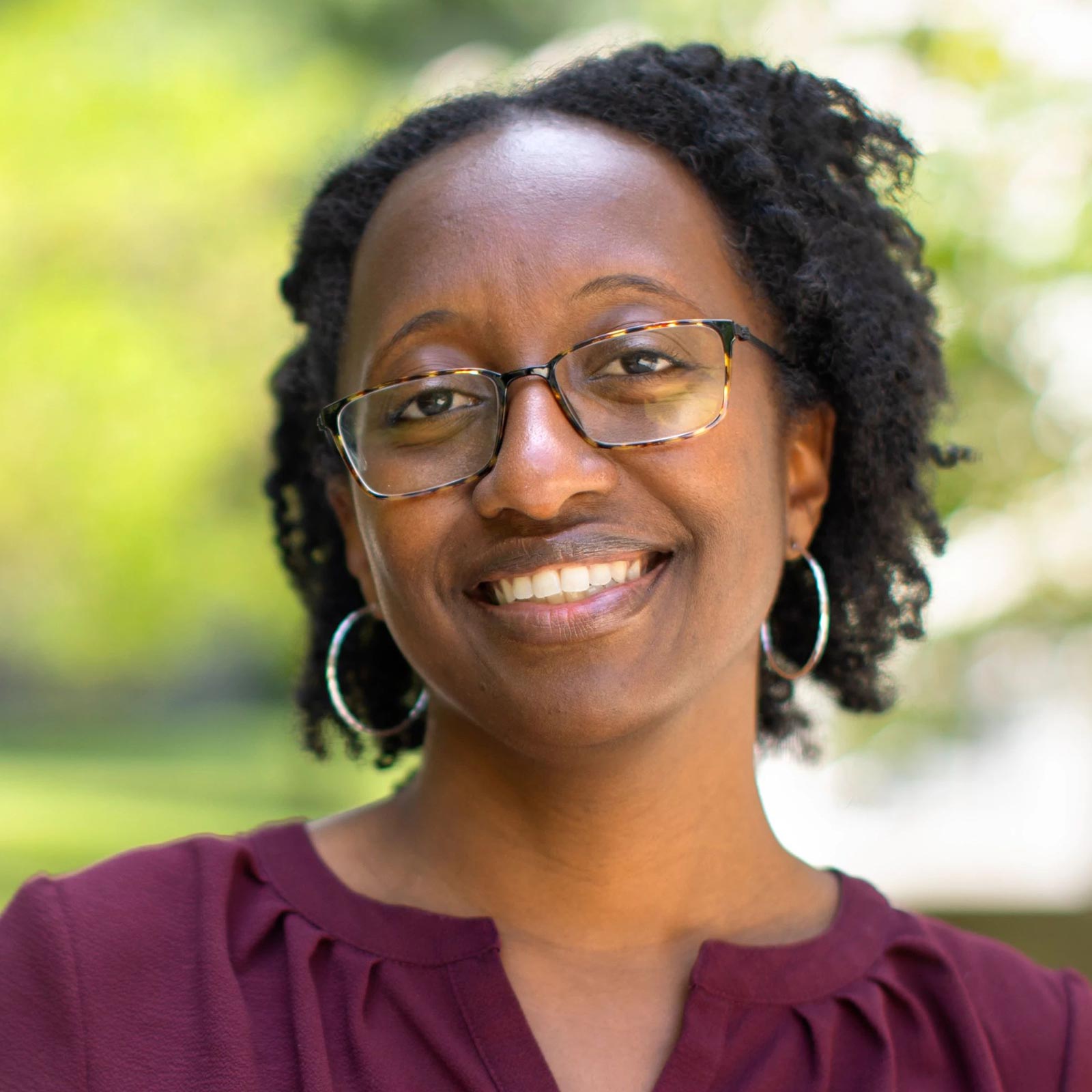
Jamila Michener
As inaugural director, Jamila Michener leads with an abiding committment to advancing freedom and well-being within marginalized communities.
Michener studies public policy, poverty, and racial inequality in the United States. She is the author of Fragmented Democracy: Medicaid, Federalism and Unequal Politics, co-author of Uncivil Democracy: Power, Politics, and Access to Justice, and co-editor of Politics in the American States: A Comparative Analysis (2024).
Associate Director

Neil Lewis, Jr.
Inaugural associate director Neil Lewis, Jr. is a behavioral scientist at Cornell University and Weill Cornell Medicine. He studies the motivational and equity effects of social interventions and policies.
He co-founded Cornell’s Action Research Collaborative and actively engages in public scholarship, applying social science research to inform policies that address societal challenges.
Our Staff
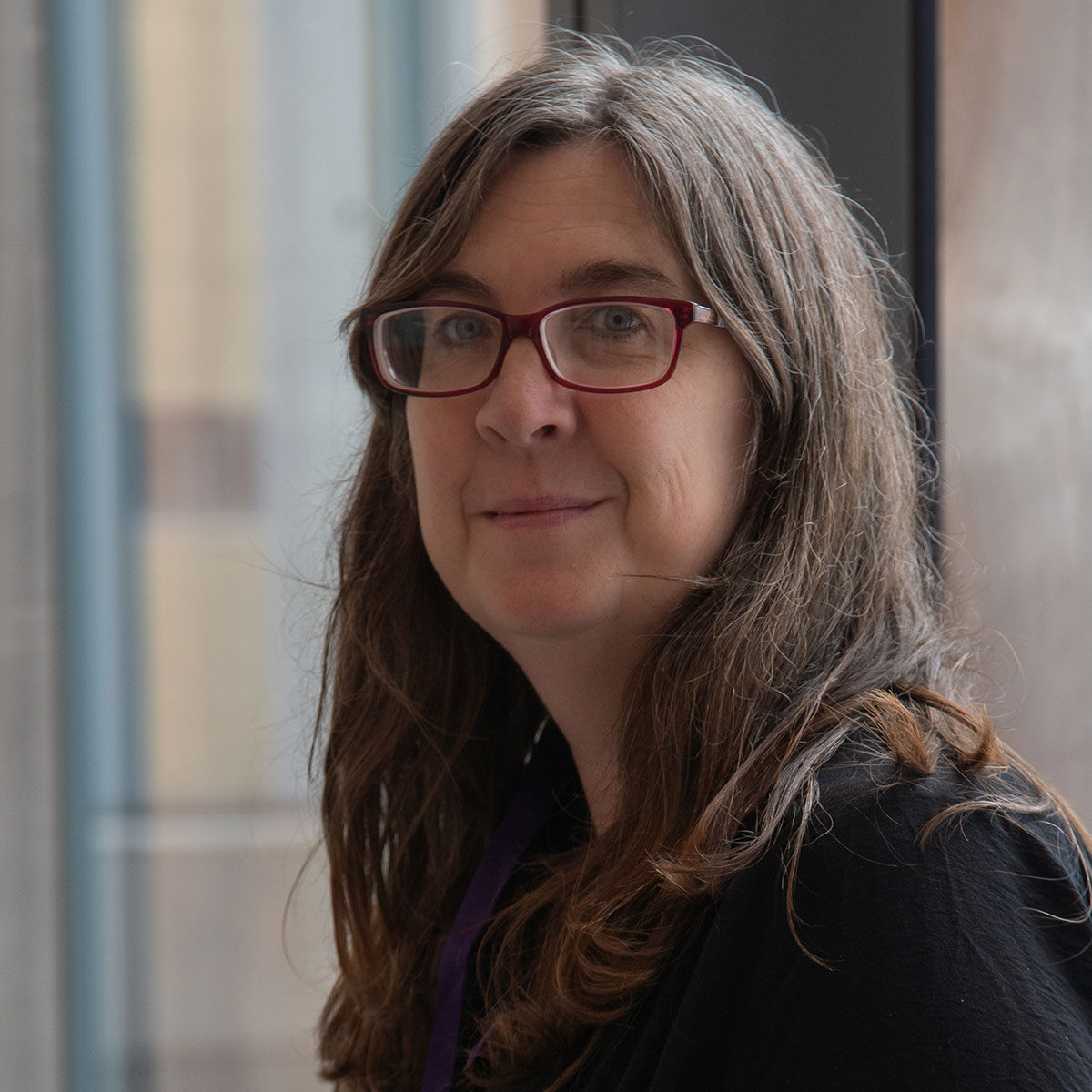
Erinn Brainard
Erinn Brainard is an experienced administrator with over a decade of expertise in human resources, staff development, and organizational operations. Her career spans union organizing, tenant advocacy, and public sector work, with a strong commitment to racial justice, inclusive leadership, and equitable systems-building. Erinn is also a writer and community advocate in Ithaca, NY, passionate about public spaces, feminist practice, and mentoring the next generation.
Jenna Crowder
Jenna Crowder is the digital engagement and outreach specialist for the Center. She brings many years of communications experience in higher education, non-profits, publishing, and the arts. Jenna received her MFA in Writing in 2023. She is a creative writer, an avid reader, and an ardent supporter of art, artists, and scholars who envision and make possible more equitable futures.
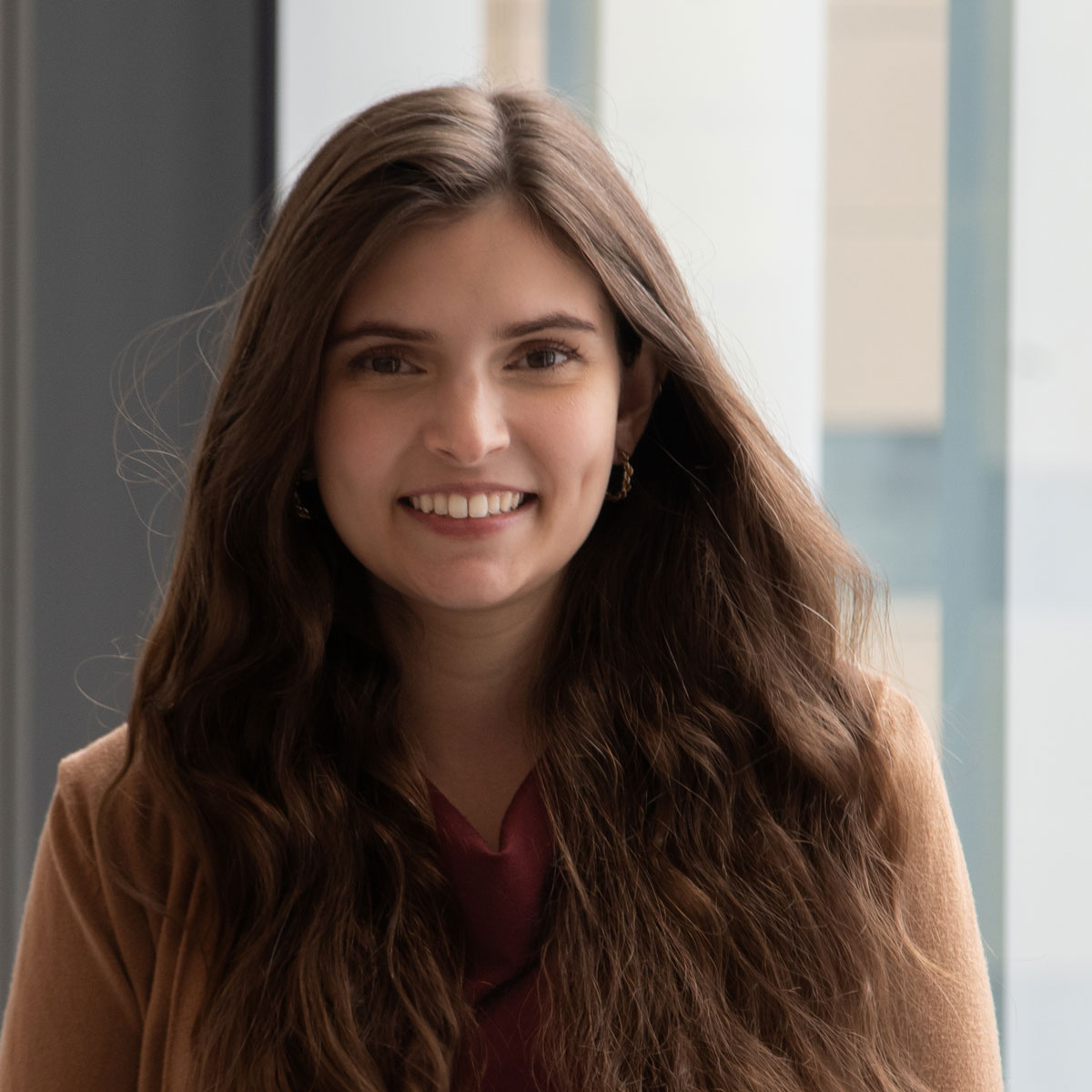
Jillian Morley
Jillian Morley is a research support specialist who holds an MPA with a concentration in Social Policy from Cornell’s Brooks School and received her BA in Sociology and Anthropological Perspectives from Binghamton University. Jillian was formerly a research support specialist with the Climate Jobs Institute, contributing to research focused on racial and ethnic disparities within the climate workforce.
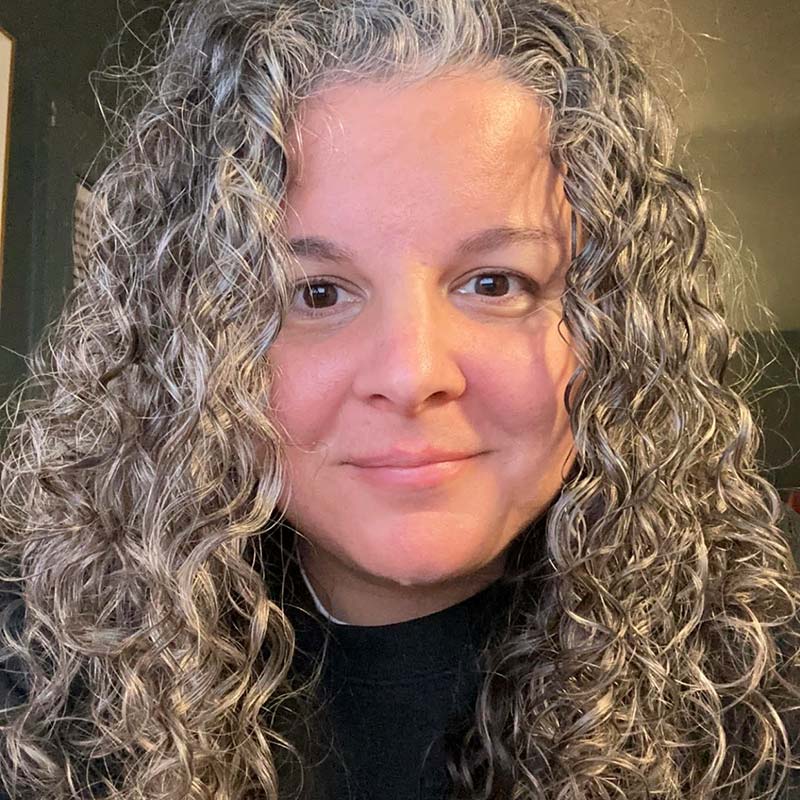
Kyri Murdough
Kyri Murdough serves as program coordinator, bringing significant experience in racial justice work and transformative education. Prior to joining the Center, Kyri served as a trainer with the Racial Equity Institute and worked with the Cornell Prison Education Program supporting educational access and opportunities for incarcerated individuals.
Advisers
The Center for Racial Justice Advisory Group faculty work closely with the director to chart the course of the center, brainstorm programming ideas, and establish the center as a campus-wide institution.

Anthony Burrow
Anthony Burrow is the Ferris Family Associate Professor of Life Course Studies at Cornell, Director of the Bronfenbrenner Center for Translational Research, and Senior Associate Dean in Human Ecology. He also directs PRYDE, linking 4-H communities with research to promote youth development. His research explores purpose in life as a psychological resource and examines racial identity’s impact on psychological adjustment.

Julilly Kohler-Hausman
Julilly Kohler-Hausmann is a historian specializing in post-WWII U.S. political, legal, social, and women’s history. Her book, Getting Tough, explores the rise of “tough” welfare, drug, and anti-crime policies in the 1970s. She is currently researching U.S. democracy since the 1965 Voting Rights Act, focusing on marginalized groups and their relationship to democratic governance.

David Bateman
David Bateman is an Associate Professor of Government whose research focuses on democratic institutions, political rights, race, and racism. He co-authored Southern Nation and wrote Disenfranchising Democracy. His work appears in leading political science journals. He is currently researching early 20th-century Black political and labor organizing and its impact on U.S. state-building.

Jill Frank
Jill Frank is a Professor of Government and Classics at Cornell University, specializing in ancient politics, philosophy, and poetry. She authored Poetic Justice and A Democracy of Distinction. Her current project, The Beauty of Equality, examines how Plato’s and Aristotle’s texts can challenge contemporary American politics and jurisprudence toward more democratic ideals.

Jessica Eaglin
Jessica M. Eaglin is a Professor of Law at Cornell Law School, specializing in the role of information-driven, technological, legal practices in criminal law’s administration and mass incarceration. A leading expert on algorithms in criminal sentencing, her work has been published in top law reviews. Previously, she served as Counsel in the Justice Program at the Brennan Center for Justice and clerked with the Honorable Damon J. Keith for the Sixth Circuit Court of Appeals.
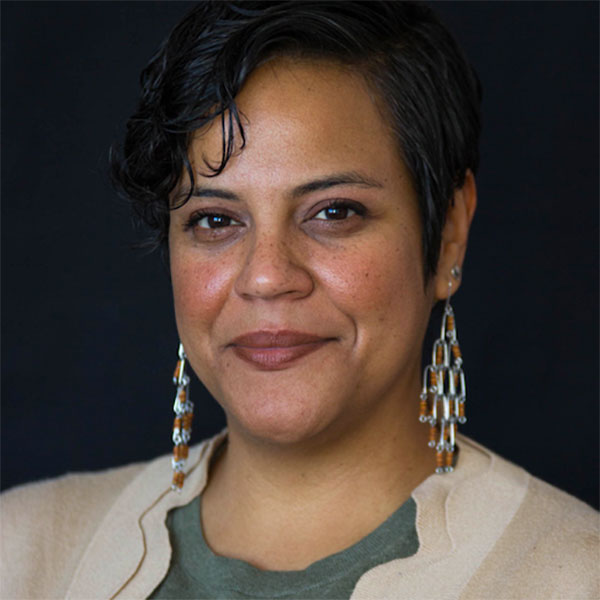
Rebeca L. Hey-Colón
Rebeca L. Hey-Colón is Associate Professor of Literatures in English and Latina/o Studies at Cornell University. She specializes in Afro-Latinx and Caribbean studies. Her first book, Channeling Knowledges: Water and Afro-Diasporic Spirits in Latinx and Caribbean Worlds (University of Texas Press, 2023) pushes at the boundaries of Latinidad by centering the generative role of Black epistemologies in the Americas. Hey-Colón’s new research project considers iterations of loss in Afro-Latinx, Latinx, and Caribbean cultural production.
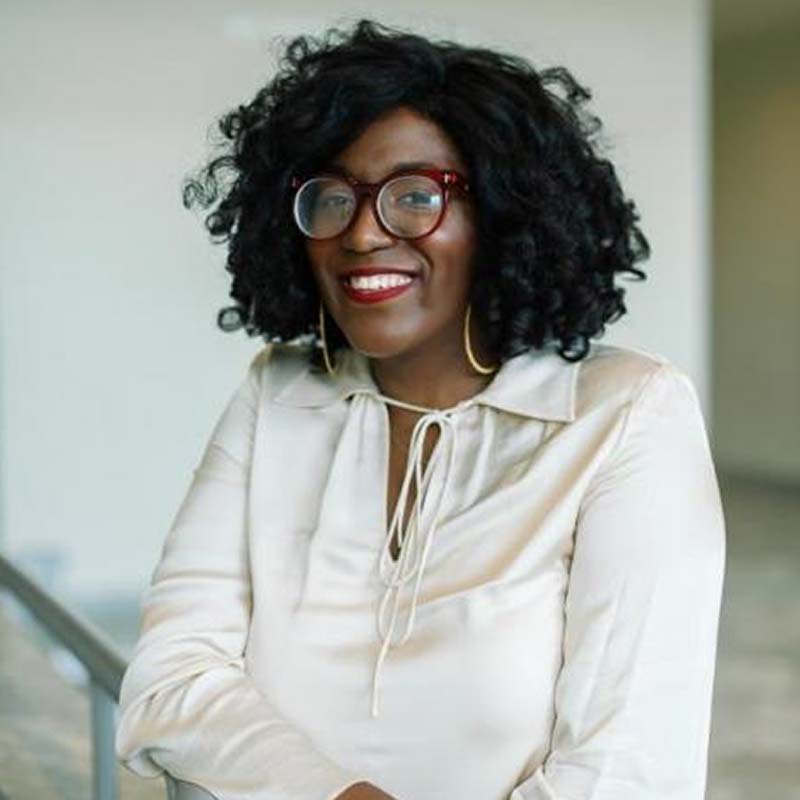
Samantha Sheppard
Samantha Noelle Sheppard is Associate Professor and Chair of Performing and Media Arts at Cornell University. She authored Sporting Blackness and co-edited Sporting Realities and From Madea to Media Mogul. Her work appears in various outlets like The Atlantic and Film Quarterly. Sheppard is currently working on two book projects and co-editing a collection on Kathleen Collins.
Postdoctoral Fellows, 2025–2027
The Racial Justice Postdoctoral fellows deepen communities of learning at Cornell and enrich the network of scholars doing research and taking action to create more just and equitable futures.
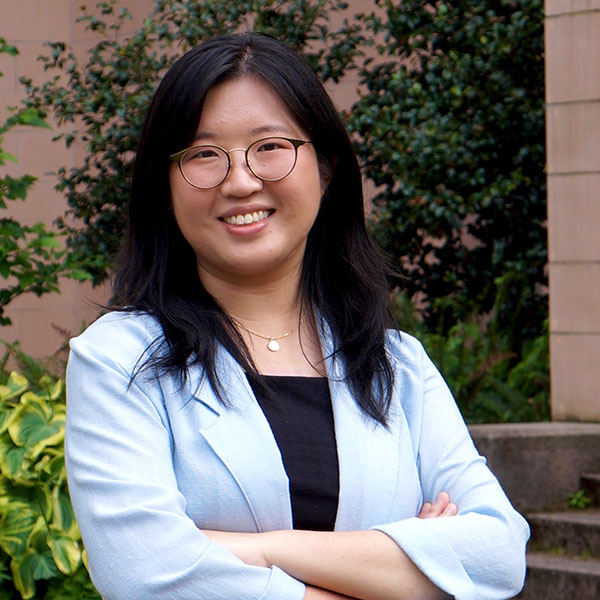
Carolyn A. Fan
Carolyn A. Fan, Ph.D. received her Ph.D. in Health Services from the University of Washington School of Public Health, Department of Health Systems and Population Health. She received her B.A. in Global Public Health & Sociology from New York University. Carolyn is passionate about applying critical theory and transformative approaches to research, practice, and teaching. Her research uses mixed methods to investigate how multi-level racism, oppression, and strength impact the health of marginalized communities across race, sexual orientation, and gender. This includes examining Anti-Asian hate and violence, community strengths among LGBTQ+ BIPOC populations, the intersection of structural racism and structural LGBTQ+ discrimination and its impacts on healthcare access, and how community health workers promote health equity. During her Ph.D., she was an Agency for Healthcare Research and Quality (AHRQ) T32 Predoctoral Fellow and a Research Scientist at the University Washington Center for Anti-Racism and Community Health.
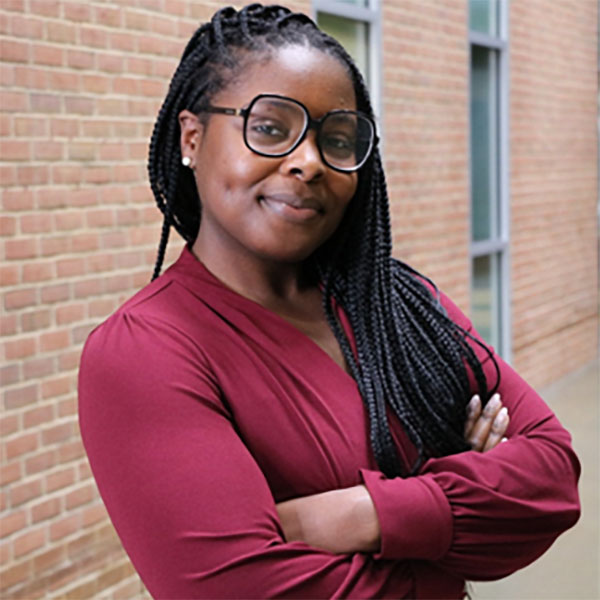
Dr. Tori Justin
Dr. Tori Justin received her Ph.D. in Kinesiology with a specialization in Physical Cultural Studies from the University of Maryland. She investigates fundamental questions about knowledge production, objectivity, and ethics in sport science and physical culture, with particular focus on how these dynamics impact the health and wellness of Black communities. Her work explores how scientific practices have historically overlooked or devalued African and African American healing traditions, while examining how various forms of social stratification—including gender, sex, class, and religion—intersect with race to influence health practices and outcomes. At its core, her scholarship engages with critical questions in the sociology of science and health, centering anti-racist research methods while highlighting the vital importance of incorporating indigenous African and African American health knowledge to improve wellness outcomes in Black communities.
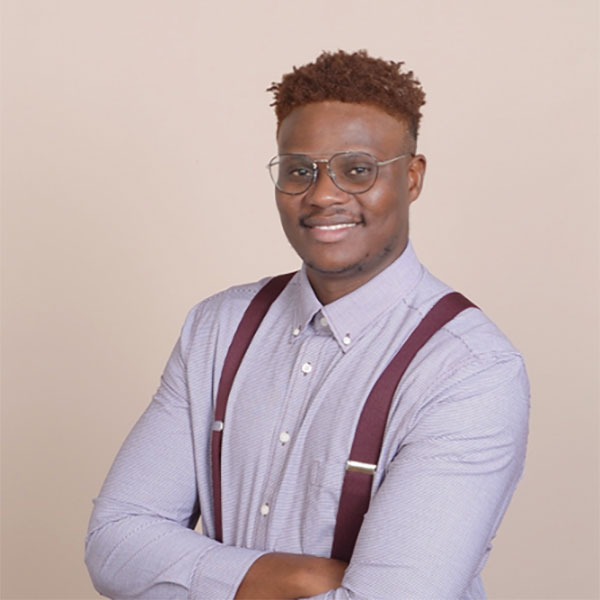
Leonard Mukosi
Leonard Mukosi holds a Doctor of Juridical Science (SJD) from the University of Arizona, a Master of Laws (LLM) in American Legal Systems from Michigan State University, and bachelor’s degrees in law (LLB) and social science (BSS) from Rhodes University. His interdisciplinary scholarship spans international human rights, Indigenous justice, law, and criminal justice. Dr. Mukosi serves as an Expert Member of the African Union’s Working Group on Indigenous Populations, Communities, and Minorities, contributing to the development of regional standards on rights-based governance. At Cornell University, his research examines how the afterlives of colonialism and slavery continue to shape the experiences of Indigenous and Black peoples across social systems. His current book project explores how Indigenous and Black grassroots movements confront enduring structures of dispossession and racial domination, generating new knowledge frameworks and community-grounded interventions across criminal, environmental, and epistemic justice.