by Jillian Morley
The landlord class holds an increasingly dominant position in many people’s daily lives, and this proliferation is by design. Last month, our Program Coordinator Kyri Murdough shared an incisive overview of how our nation’s founding legal frameworks manufactured racial hierarchy to break solidarity and protect the power of white property owners. Today, that unjust foundation, where property acts as a racialized vehicle for consolidating power, is immediately recognizable in our housing system. Our country’s highest office is held by a real estate developer-turned-politician, whose early career was marked by legal disputes alleging racial discrimination against interested renters, poor living conditions in rent-stabilized and rent-controlled units, and harassment of the tenants living there.
Predatory housing is not a distant or abstract issue; it manifests locally in pervasive and pernicious ways. Not far from the campus of Cornell University, the residents of Asteri Ithaca, a 181-unit affordable housing building in downtown Ithaca, are experiencing this especially acutely. The owners of their building—the Vecino group—purport to develop housing for the “greater good”. But in March 2026, safety and fire code violations became so threatening that residents were evacuated from their homes in an emergency order from the city fire marshal. Despite accepting millions of dollars in public investment to provide affordable and legally sufficient housing, Vecino Group failed to maintain safe living conditions for residents. Now, due to their mistakes, the county is expending additional resources and establishing a much-needed fund for Asteri tenants’ legal aid.
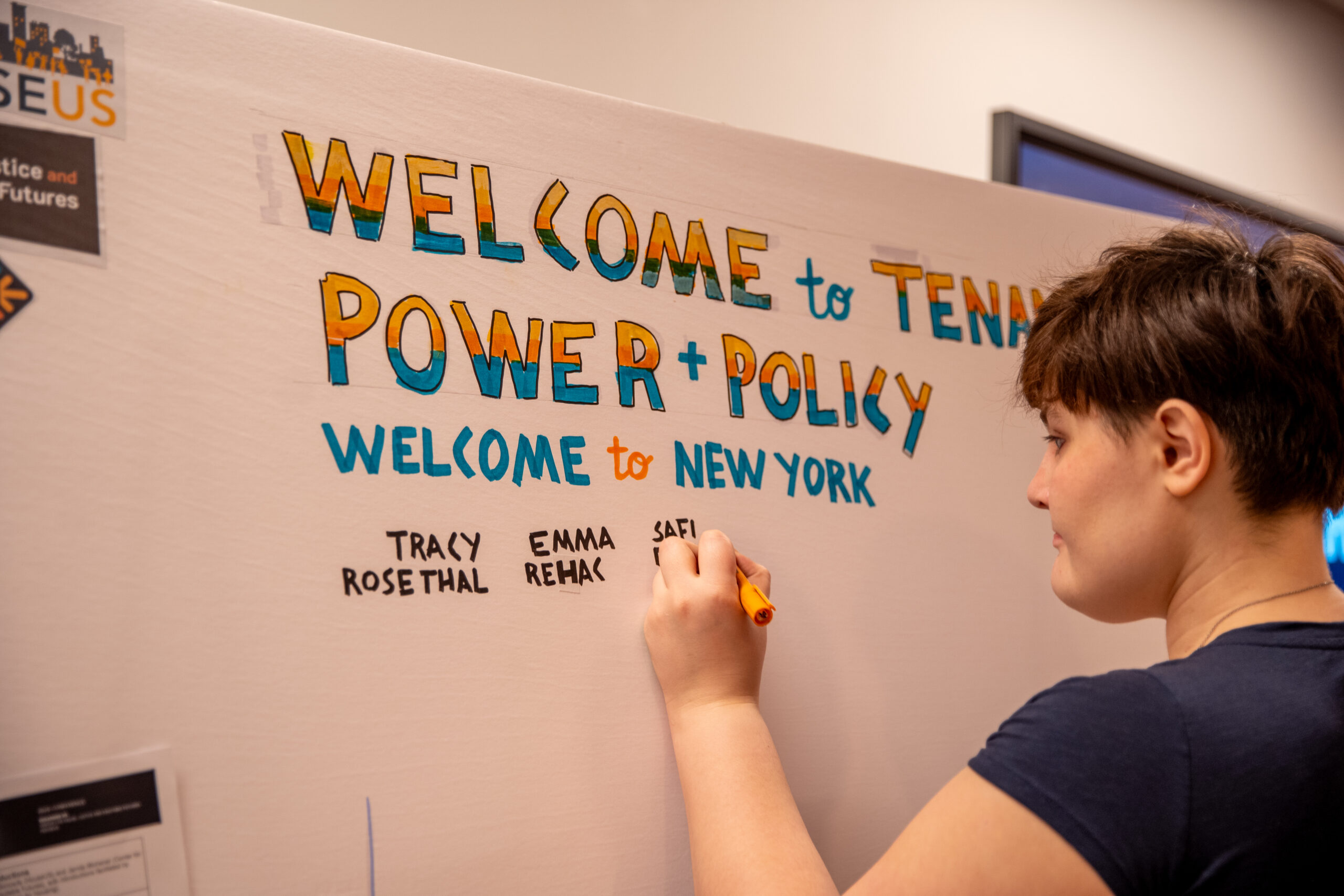
The situation facing Asteri tenants is not unique. To the contrary, these struggles are predictable symptoms of systemic problems that tenant unions have been boldly confronting. A group of tenant organizers recently gathered at the Tenant Power + Policy conference in New York City. The conference was co-hosted by the Center for Racial Justice and Equitable Futures and our partner HouseUS—a national organization that supports tenant-led campaigns to advance housing justice. During the two-day gathering, tenant organizers shared experiences reminiscent of Vecino Group’s failure. As I listened, I felt the sadness and anger many of us feel in the face of predation and exploitation. Yet, the sense of powerlessness that typically accompanies these feelings was markedly absent. Instead, the vision of power and possibility that tenant organizers offered inspired feelings of hope. I write now to pass some of that hope along.
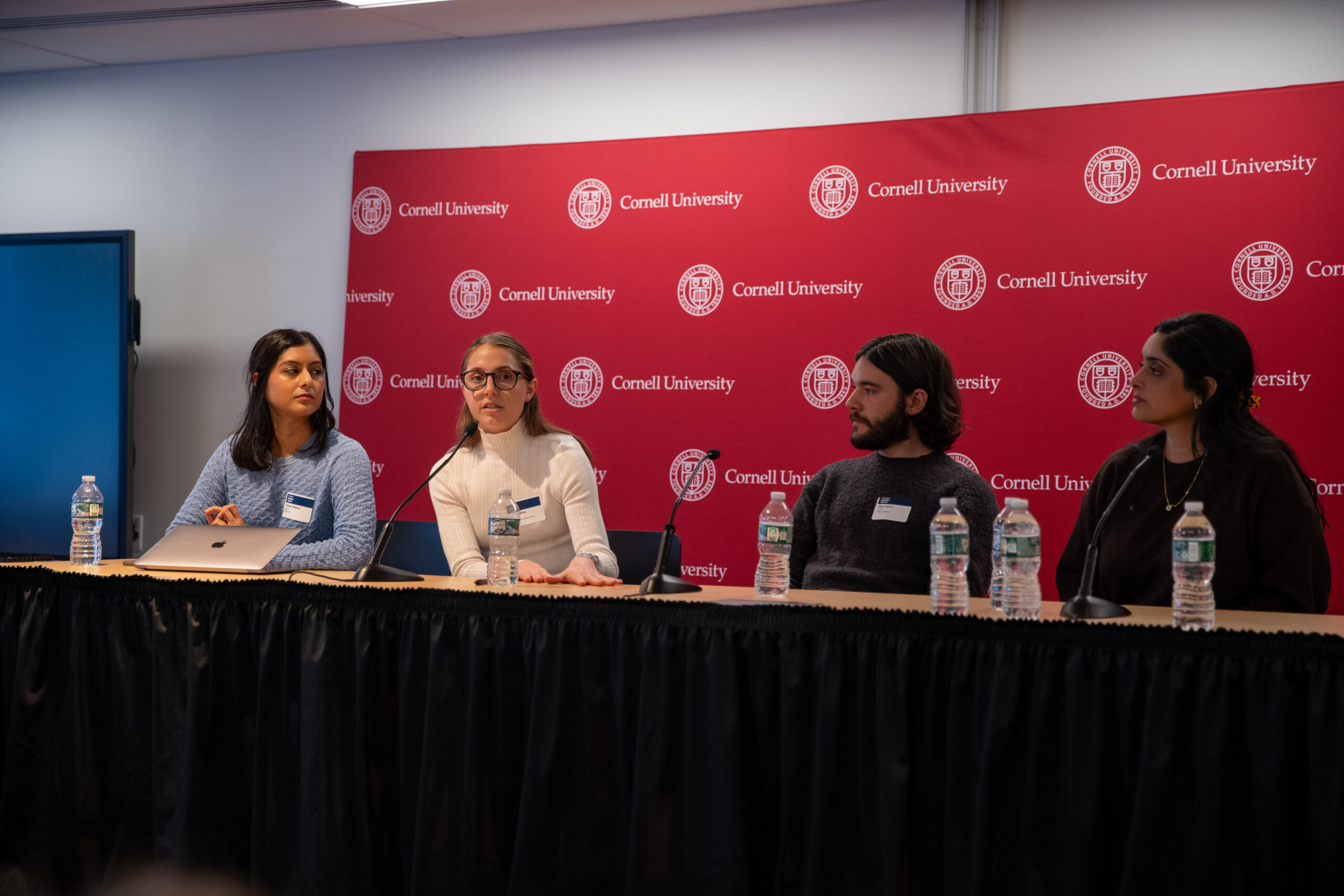
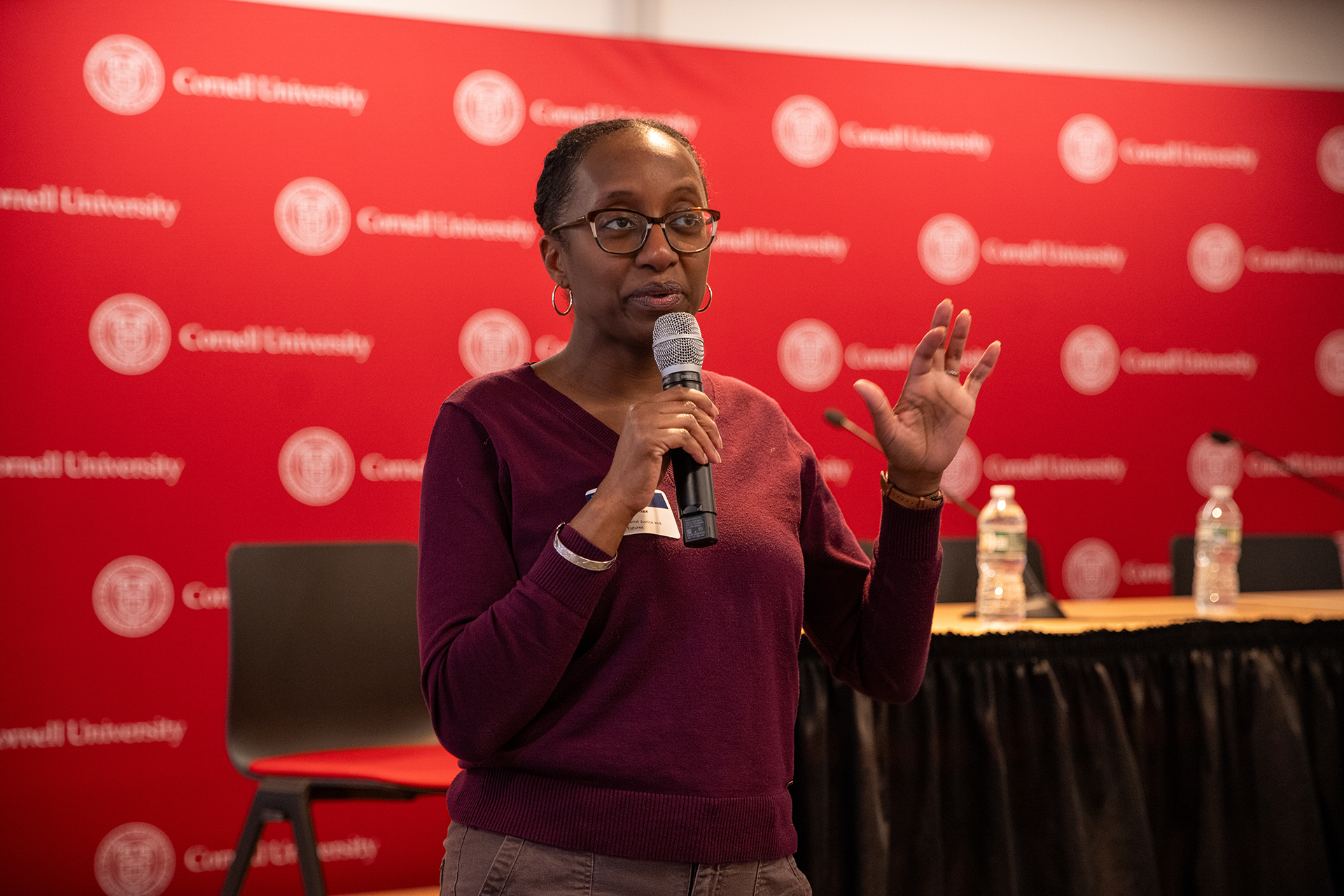
The Tenant Power + Policy conference was designed to facilitate discussion and catalyze change. The day opened with organizers in New York describing how more than 5,000 tenants faced displacement when Pinnacle Group, a NYC landlord and subject of 14,000 tenant complaints, filed for bankruptcy and put 93 of its rent stabilized apartment buildings—housing violations and all—up for auction.
Pinnacle’s behavior forced people to come together, and the Union of Pinnacle Tenants was born in late 2025. Since then, Pinnacle Tenants have achieved incredible wins. They negotiated a guarantee that will resolve all significant housing code violations within six months of purchase and initiate $30 million of repairs and maintenance. Their win transformed the whole city, with Mayor Mamdani joining their fight and revitalizing the Office to Protect Tenants. All of this hinged on extensive tenant organizing across New York. Indeed, Housing Justice for All, a powerful movement of tenants and homeless New Yorkers, is more than 250,000 strong, and used its considerable “people power” to advance landmark legislation protecting tenants and expanding access to affordable housing.
“Giving people access to a racist housing system is not justice.”
Even when a crisis is not imminent, forming a strong tenant power infrastructure lays the groundwork for developing solidarity networks that prove protective when acute needs arise. This is what tenant organizers described happening in Minnesota, where existing organizing infrastructure enabled Minnesotan communities to build a massive resistance to ICE occupation. Along similar lines, organizers of a largely Black tenant union in Chicago were more prepared to face the Trump administration’s 2025 ICE raids because of their prior work organizing in response to the Texas government sending asylum seekers and immigrants to Chicago in 2022. In both cases, robust tenant organizing was a pivotal precursor for collective resistance to the authoritarian incursions of ICE.
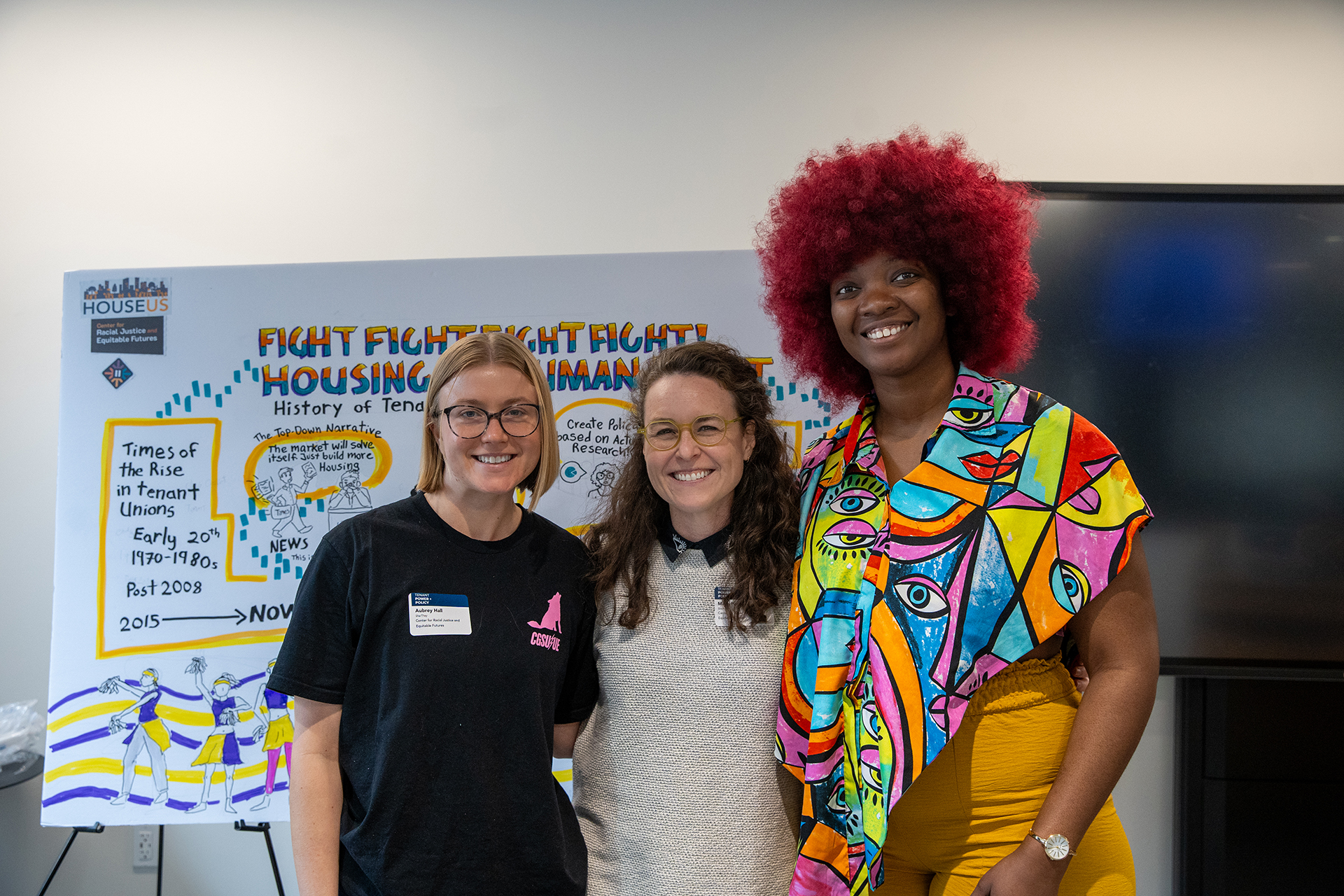
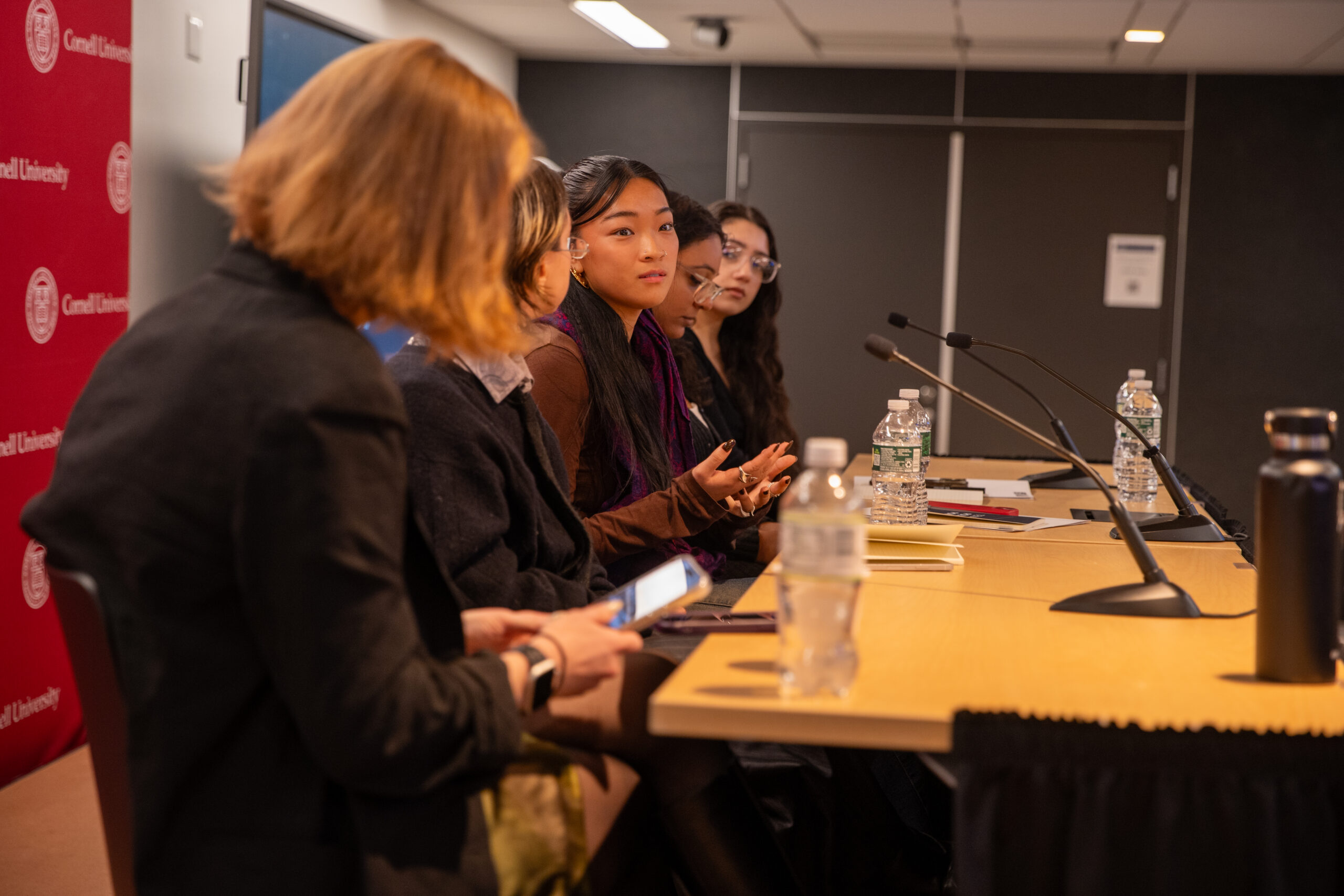
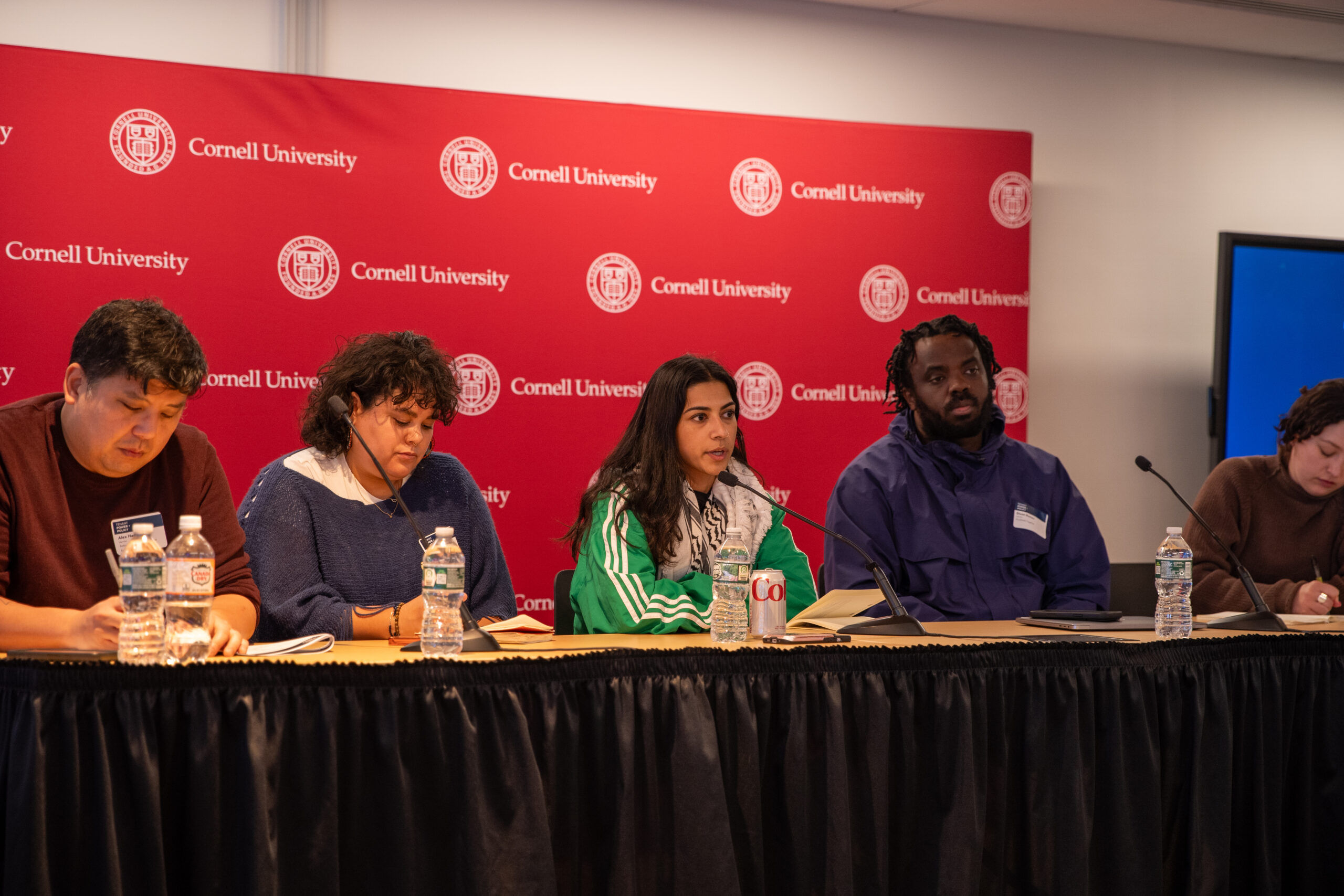
Graduate students from Cornell University attend the Tenant Power and Policy conference in New York City. (Photos by Ismario Rodriguez.)
While the tenant movements’ success is the result of organizers’ hard work, researchers can play a crucial role in bolstering organizing efforts. Researchers at the Tenant Power + Policy conference presented on ways to democratize, share, and even co-produce knowledge with tenant organizers. Scholars discussed the value of research in identifying (and ultimately narrowing) gaps between the solutions policy makers emphasize and those that ordinary people prefer. In breakout sessions we discussed how to develop projects that are useful to organizers, how to cultivate research partnerships, and when to move outside the bounds of traditional academia in order to support transformational organizing.
Taking a step back to look at the big picture, organizers, researchers, and policy analysts also fruitfully discussed the need for a full-scale economic restructuring to tackle the broader issue of affordability and inequality. These discussions highlighted the connections between troublingly common day-to-day struggles (e.g., predatory advertising, junk fees, mounting debt) and the wider political economy of the housing system. One policy analyst trenchantly observed that “giving people access to a racist housing system is not justice.” As long as we can still find property cases involving enslaved human beings cited as precedent today, we must continue dreaming of something better. Forging a future where housing is no longer used as a weapon that perpetuates injustice and stokes inequality will be difficult. It will require us to find solidarity despite difference, but it will ultimately benefit us all. If we want to build a more just world, we must work alongside our neighbors to exercise transformative power at the local, state, and federal levels.
Five takeaways for fledgling organizers as they get started
- Build relationships! Introduce yourself to your neighbors and people in your community. Connect with them on a genuine level. Relationships are the building block of collective organizing.
- Eliminate barriers to participation. Bring food, provide childcare and language translation, enable remote participation when possible. Make the first decision to get involved as easy as possible.
- Create self-sustaining infrastructure that exists beyond your work. Concrete examples of this included training people to train others, setting expectations for members to recruit others, establishing mass communication strategies, etc.
- Incrementally increase the difficulty of your asks, but don’t be afraid to make them. Start by asking people to do easy things like meeting setup before requesting risk-taking efforts. This allows you to assess peoples’ interests and comfort before you say no to challenges on their behalf.
- Plan out regular structure tests to assess the strength of your network and identify gaps. Once you have regular attendees, plan actions that build and measure solidarity. Ask people to post signs on their doors and see how many actually go up, or have a comrade help design T-shirts and schedule a day for all your neighbors to wear them, which also broadcasts your collective power more broadly.
Four reflections on how newly interested academics, policy analysts, and other researchers can offer support
- Bring community members and organizers into your projects early on, often, and in ways that are respectful of their time.
- Identify the areas where you have privileged access to information (whether that be particular datasets, software and journal subscriptions, or even just conversations) and consult with organizers and community members on the useful ways to share it beyond traditional writing. Examples shared at the conference included Landlord Mapper and the Anti-Displacement Assessment tool.
- The solutions policymakers tend to throw their support behind don’t always align with those people know will work in their lives. Find those gaps, study why they exist, and build evidence around what does and doesn’t work. For example, a group of researchers put arguments against eviction protections to the test in “The Good Case for ‘Good Cause’” and found no evidence to support them.
- Keep an eye out for campaigns where your research could provide additional capacity, direction, or support. Look into offering public comments, writing op-eds, or simply giving organizers license to cite your endorsement when your findings align.
Four things anyone can start doing today to build power
- Remind yourself and your neighbors that you have power—and you can build more of it. Acclaimed novelist Alice Walker said, “The most common way people give up their power is by thinking they don’t have any.” Do not give up your power. Do not underestimate how transformative it can be when wielded collectively.
- Find shared interests with the people around you. Ask them what would make their lives easier. Leverage shared needs and experiences to motivate collective action.
- Focus on the structural factors (landlords, laws, property management companies, etc.) that affect everyone (even if unequally) rather than individual circumstances that isolate neighbors from one another.
- Stretch yourself. Join a community organizing group you might not ordinarily join, work alongside people who are different from you, do hard things, confront the bad things happening in your community.

Jillian Morley
Jillian Morley is the research support specialist for the Center for Racial Justice and Equitable Futures.